Your outfit is ready, the music is good, and the first hour feels easy. Then the balls of your feet start burning. By midnight, you are standing beside the dance floor with your shoes in your hand.
The best fix is not the softest insole or the lowest-looking price. For most people, 2 to 2.5 inches is the safest range for long dancing, especially with a stable block heel, a secure upper, and cushioning under the forefoot. A higher heel can work, but only when the shoe fits your foot and gives you enough support to move without gripping the floor with your toes.
The best heel height for all-night dancing
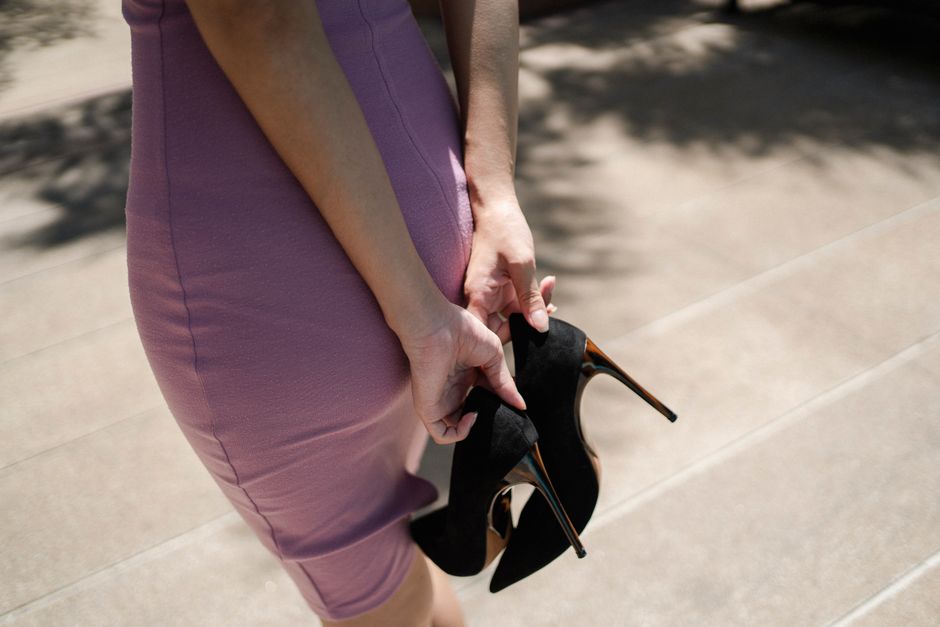
There is no magic number for every foot, but there is a useful starting point. For most party guests who will stand and dance for several hours, a 2 to 2.5-inch block heel gives the best mix of height, balance, and endurance. Use the table below as a buying filter rather than a promise of comfort.
| Heel height | Best shoe shape | All-night verdict |
|---|---|---|
| 1 to 1.5 inches | Kitten heel, low block heel, dressy loafer | Best for beginners, long standing, or sore feet |
| 2 to 2.5 inches | Broad block heel, low wedge, supportive slingback | Best overall range for dancing and walking |
| 2.5 to 3 inches | Stable block heel or platform pump | Good for experienced heel wearers with a secure fit |
| Above 3 inches | Platform pump, stiletto, narrow dress heel | Use for shorter dance periods, not a full standing event |
How to judge a platform correctly
Do not compare back-heel measurements alone. A 4-inch platform pump with a 1-inch front platform creates less foot angle than a 3-inch shoe with no platform. The higher shoe may still feel more dramatic, but the lower pitch often feels easier during repeated steps.
My clear cutoff for a long event
For a wedding, concert, or reception where you expect to dance for three hours or more, choose a heel no higher than 2.5 inches unless you already know that exact style works for you. Pick a block heel at least 1 inch wide at the floor. A narrow heel can look elegant, but it demands more balance with every step and turn.
The best height is the one that lets you walk heel-to-toe without shortening your stride. If you have to lean back to feel upright, the shoe is too steep for the night ahead.
How to test heels before a long event
Never make the dance floor your first real test. New shoes need a short, controlled trial at home, and your feet need to be tested late in the day when they are slightly larger than they are in the morning.
Use this seven-step fitting test
- Start with the right timing. Try the shoes after several hours of normal activity. This reveals pressure that a morning fitting can hide.
- Wear the hosiery you will use. Bare feet, tights, and thick socks change the fit. Test the exact combination planned for the event.
- Check the toe box. Wiggle all five toes. Your longest toe should not touch the front when you stand or walk downhill.
- Walk for ten minutes. Use stairs, turns, and a hard floor. Watch for sliding, rubbing, or a heel that lifts with every step.
- Dance for five minutes. Try side steps, a slow turn, and a backward step. The shoe should stay attached without toe gripping.
- Inspect pressure points. Remove the shoe and look for red marks across the toes, at the little-toe joint, or behind the heel.
- Repeat the test the next day. Pain that appears after a delay is still a warning. Do not treat a second-day ache as normal breaking-in.
The 20-minute home test that catches most failures
Wear each shoe for ten minutes while standing, then ten minutes while walking and turning. If the ball of your foot burns, the heel slips, or your toes clench, change the shoe rather than adding more padding. Gel pads can reduce rubbing, but they also take up space and may make a tight toe box worse.
What to pack for the event
Bring two small blister patches, a thin forefoot pad only if you have already tested it, and a flat backup shoe if the venue allows one. Do not wait until a blister opens. Once the skin is damaged, every dance step becomes harder and your gait changes to protect the sore spot.
My best real-world picks for long nights
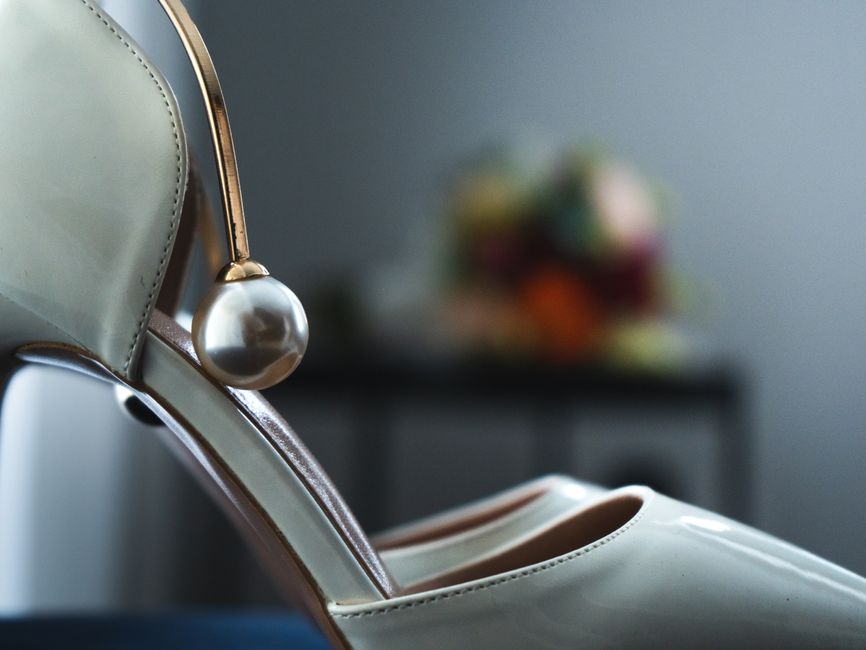
My best all-night pick is a low or mid-height block heel with a secure upper. It beats a tall stiletto with a thick insole because stability keeps your foot from fighting the shoe. These are useful reference points, not substitutes for trying on the exact size and width.
Best lower heel: Clarks Iridessa May
Clarks Iridessa May uses a 45mm heel, or about 1.8 inches, with a soft square toe, an Ultimate Comfort foam footbed, and a flexible TPR sole. The U.S. page listed it at $105 before a sale discount when checked in 2026, and wide sizing was available for the shown color. This is my strongest choice for someone who will spend as much time standing as dancing. The heel is low enough to reduce forefoot pressure, while the block shape gives better control than a kitten heel.
Best comfort-focused block heel: Aerosoles Alae
Aerosoles Alae has a 2.4-inch block heel, an OrthoLite foam insole, and a diamond-flex outsole. The genuine leather upper should soften with wear, but the shoe still needs a home test before an event. Choose it when you want a visible heel without the steep angle of a high pump. My verdict is clear: this is the better direction for a four-hour dance floor than a narrow 3.5-inch heel.
Best dressier option: Clarks Fernie Court
Clarks Fernie Court sits at 60mm, or about 2.4 inches, and combines a block heel with a molded Contour Cushion footbed, soft heel padding, and a flexible rubber sole. The U.S. page listed the sand patent version at $110 when checked in 2026. It is the best pick here for a polished dress, a formal reception, or anyone who wants more height while keeping a broad base. The tradeoff is simple: it will feel less forgiving than Iridessa May after several hours, so the fit around the toes matters more.
Skip all three if the heel slips, the toe box pinches, or the shoe makes you alter your stride. A well-fitting low wedge or dressy flat will keep you moving longer than an expensive heel that never fits your foot.
When should you skip heels altogether?
Sometimes the smartest dance shoe has almost no heel. Pain, numbness, swelling, or a history of ankle rolling are good reasons to choose stability over height. Style does not require a painful trade.
Should you buy a higher heel to look taller?
No. A higher heel can change your posture, but it cannot fix a poor fit or make you look more polished while you limp. A pointed flat, low wedge, or platform with a modest pitch can add visual length while keeping more of your foot in contact with the floor.
Are gel pads enough for painful heels?
No. Pads can soften impact and reduce friction, but they cannot correct a narrow toe box, a loose heel, or an unstable sole. If the shoe hurts before you add the pad, treat that as a fit problem. Extra cushioning often takes away the room your toes need.
What should you choose with recurring foot pain?
Choose a supportive low heel or a dressy flat with a firm heel counter, room for toe movement, and a sole that bends at the forefoot. If pain continues after changing shoes, stop testing heels for events and ask a podiatrist about the cause. For most dancers planning a long night, the clearest recommendation is a tested 2 to 2.5-inch block heel with forefoot cushioning, a firm heel hold, and enough toe room to walk naturally. That combination will outlast a taller shoe almost every time.