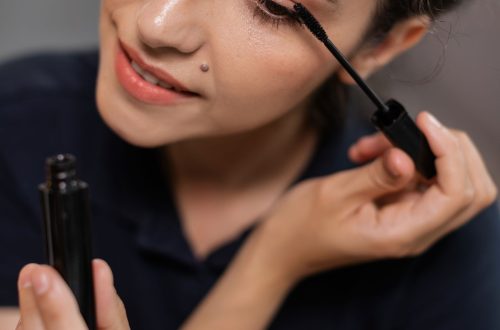
Planning a party outfit for the festive season starts with the evening itself. A seated celebration, a crowded house party and a night of dancing ask different things of your clothes, even when every invitation says to dress up. Instead of searching for one perfect festive look, make a clear plan for each occasion. You can enjoy getting dressed while making sure your outfit suits the setting, feels comfortable and is ready before you need to leave.
Turn the invitation into an outfit brief
Before choosing clothes, establish where you are going, what you will be doing and how formal the event feels. Read any dress guidance, then ask the host about unclear wording. Festive might mean relaxed separates with a decorative detail or a more dressed-up evening look. Knowing which interpretation fits saves you from choosing something that never feels right for the occasion.
Think through the whole event rather than its most glamorous moment. Will you spend the evening sitting at a table, standing with a drink or moving between rooms? Is there a cloakroom? Will you need to remove your shoes at a house party? These details help you judge whether an outfit will work beyond the first photograph.
- Setting: a private home, restaurant, hired venue or dance floor.
- Activities: dinner, mingling, games, dancing or a combination.
- Dress expectations: the invitation wording and guidance from the host.
- Practical needs: travel, somewhere to leave outerwear and anything you must carry.
Look at your seasonal calendar together
If you have several celebrations ahead, list them together. Mark which need a complete evening outfit and which simply call for a dressier version of your usual clothes. This keeps every invitation from becoming a separate shopping project. It also reveals scheduling problems, such as needing the same delicate garment for two events with little time to clean it between them.
Assign a likely outfit to each event using clothes you already own. At this stage, a rough choice is enough: a dress, tailored separates or a skirt and top. Check that each option meets its own brief. The aim is to allocate suitable clothes across your actual plans, with time to solve any gaps before the busiest stretch arrives.
Choose a direction before adding details
Give each outfit a simple direction, such as relaxed and decorative, sleek and understated, or playful and dressed up. This provides a filter when you open your wardrobe. If you want a relaxed evening look, a piece that requires constant positioning may be the wrong choice, however appealing it looks on a hanger.
Then select one garment to anchor the outfit. It could be a dress you feel good in, trousers with a reliable fit or a top that suits the occasion. Build outward from that decision. Choosing every element simultaneously can leave you with several attractive pieces that compete for attention or fail to create the mood you wanted.
Give festive details a clear place
Choose where you want the eye to land: an interesting neckline, a rich texture, a patterned garment or a decorative finishing detail. Let the surrounding pieces support that choice. If you prefer quiet clothes, a considered color combination or a beautifully pressed silhouette can feel celebratory without added shine. Your outfit should still feel connected to your personal taste.
Try the complete outfit before the day
A useful try-on includes everything you intend to wear together, including underwear and shoes. A dress can sit differently over another bra, while the height of your footwear can change where a trouser hem falls. Try the actual combination instead of assuming that pieces which worked separately will work together.
Check the outfit from the front, side and back in clear light. Look for pulling at fastenings, gaping openings or underwear that becomes visible when you move. A quick photograph can help you spot details, but it does not need to become a judgment on your body. The clothes should accommodate you comfortably.
Rehearse the movements you expect
Sit down for more than a moment, reach forward, lift your arms and walk around. If dancing is part of the plan, try a few movements. Notice whether you keep adjusting a neckline or pulling a hem into place. Make a straightforward change where needed, such as switching a garment or arranging an alteration with enough time to check the result.
Pay attention to how the outfit feels when seated, especially around the waist, ribs and shoulders. You should be able to breathe freely and enjoy a meal. Avoid relying on a fastening that already feels strained during the try-on. Choose the combination that lets you participate comfortably in the evening you have planned.
Shop for a specific missing piece
After trying everything on, write down what is actually missing. Be specific about the job the item must do: work under a particular neckline, finish an existing outfit or replace something damaged. A precise purpose is more useful than a broad instruction to find something festive, which can lead to purchases that leave the original problem unsolved.
Check delivery and return arrangements before ordering, and allow time for another complete try-on. Keep tags attached until you have assessed the new piece with the intended outfit. Borrowing a suitable item can also work, provided you agree on care and return plans. One missing element does not have to become a complete outfit replacement.
Prepare each outfit for its place in the calendar
Once you settle on a combination, inspect closures, seams and hems. Read the care label before cleaning or pressing, and arrange any repair promptly. Discovering a loose fastening while getting dressed creates an avoidable rush, particularly if the garment is central to your plan.
Save an outfit photograph or a short note listing the pieces. Keep small accessories together so they are easy to find. If your calendar includes consecutive events, decide when each garment can be aired, cleaned or put away according to its care instructions. Leave enough drying time before putting freshly cleaned clothes into storage.
Have an easy alternative ready
Choose a backup combination that already fits and suits the event. It can be simpler than your first choice. Its purpose is to give you an easy option if a garment is damaged, delayed or uncomfortable on the day. Check it as a complete outfit too, so you know it is ready to wear.
Before leaving, confirm that you can walk securely, manage your belongings and use your outerwear comfortably. Check your route home and keep your phone accessible. Then give the outfit one final look for practical details, put away the rejected options and head out. With the decisions made in advance, you can give your attention to the celebration.