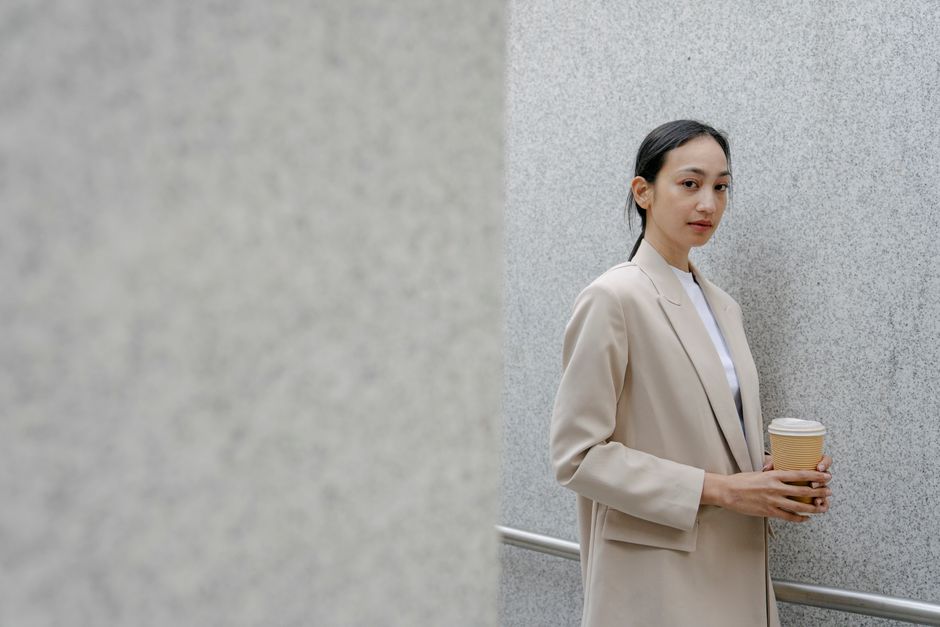
A monochrome evening outfit gives you a clear starting point: choose one color and let the shapes, fabrics and finishing details do the work. That might mean black separates, a deep blue dress with coordinating accessories, or several shades of brown. The aim is a look that feels connected, with enough depth to feel interesting after dark. You do not need a perfectly matched set or a wardrobe full of identical shades to get there.
Decide how closely the colors should match
Monochrome dressing can mean one exact color throughout, or a narrow family of related shades. Both approaches work for evenings. An exact match creates a clean effect, while tonal dressing gives you more room to combine clothes you already own. Decide which effect you want before adding accessories; otherwise, a small mismatch can look accidental because everything else is so precisely coordinated.
Start with the largest piece in your outfit, such as a dress, trousers or a skirt. Hold the next piece beside it in daylight, then check the combination under indoor lighting. Dark navy can look almost black in one room and distinctly blue in another. Two black fabrics may also reveal different undertones when placed together.
Make shade differences feel deliberate
If two shades are almost identical but clash slightly, try a more noticeable step between them. Chocolate trousers with a lighter cocoa top can feel more considered than two browns that narrowly miss matching. For a closer match, repeat the main shade in another visible detail, such as your bag. This gives the color a clear role across the outfit.
Use texture to create depth
When the color stays consistent, texture becomes easier to notice. A smooth top beside a softly textured skirt creates interest without needing a contrasting print. You can make an evening outfit feel richer by combining a matte surface with a subtle sheen, or a structured fabric with something fluid. Choose differences you can see from a normal conversational distance.
A useful starting point is one prominent texture and one quieter supporting fabric. For example, a black lace skirt can sit against an opaque black top with a simple finish. Deep blue satin trousers can pair with a fine knit in a similar blue. Keeping one surface calm gives the more detailed piece space to register.
Check where reflective fabric draws attention. A shiny waistband, glossy pocket panel or strongly lit seam can become the focal point even when every piece is the same color. That is useful if you like the detail; if it distracts you, choose a softer finish there. Monochrome does not make fabric behavior disappear.
Give the silhouette a clear shape
A single color can visually connect separate garments, so their proportions matter. Before adding jewelry or a bag, look at the overall outline. Notice where the outfit fits closely, where it falls away from the body, and where each hem ends. Look for a shape you enjoy wearing, with enough definition to make the combination feel intentional.
Try balancing a fluid piece with a more defined one. A softly draped top can work with a straight skirt, while a neat sleeveless top can give fuller trousers a clear upper edge. A loose dress can still look polished on its own if the neckline, shoulders and hem sit well. A belt is optional, rather than an automatic solution.
Check where separates meet
The point where your top meets your bottoms often determines whether the outfit feels finished. A bulky tuck can interrupt an otherwise smooth line. A top that catches on a waistband may need a different length or a looser fit. Try sitting down as well as standing, and check that any intended overlap stays comfortable when you raise your arms.
Build around a color you enjoy wearing
Black is a straightforward option, but monochrome evening dressing has room for many other colors. Deep green, charcoal, plum and navy can all provide a cohesive base. Softer shades work too if their fabrics and shapes suit the occasion. Choose a color you like near your face, since it may appear at the neckline, shoulders and outer layer.
- For an all-black look: separate the pieces through surface and shape, such as a matte top with a softly lustrous skirt.
- For deep blue: compare undertones so a purple-leaning navy and a green-leaning blue feel deliberate together.
- For brown tones: use a clear progression from lighter to darker if an exact match is difficult.
- For gray: mix a defined woven fabric with a softer surface to give the outfit dimension.
These are starting points, not fixed formulas. If a combination feels unsettled, remove one piece and compare alternatives before deciding you need to replace the whole outfit.
Finish the color story with accessories
Shoes do not have to disappear into the outfit, but their relationship to it should feel clear. A similar shade extends the color from head to toe. A darker shade within the same family can ground a tonal look. For a strict single-color effect, check visible soles, straps and hardware as well as the main shoe material.
Consider shoe shape alongside color. A substantial shoe changes the balance of a narrow hem, while a lighter-looking sandal leaves more visual space around the ankle. Choose a fit and sole suited to the walking and standing you expect. A coordinated color is never a reason to tolerate slipping heels or painful straps.
For bags and jewelry, decide which detail deserves attention. A textured bag can provide the main contrast in a smooth outfit; a sculptural earring can finish a simple neckline. Metal jewelry can sit comfortably within a monochrome look without matching the clothing color. Repeating the same metal in visible hardware helps those small details feel connected.
Check the complete outfit before leaving
Put on the layer you will arrive in and look at the outfit with your bag in hand. An outer layer can cover most of the color arrangement, so notice what remains visible at the neckline, cuffs and hem. It should sit comfortably over your clothes without pulling them out of place.
Remove lint, smooth unwanted creases according to the care label, and inspect pale areas where dark fabric has worn. Check opacity with your intended undergarments, especially where fabric stretches. Move, sit and take a few steps to catch twisting seams or hems that need constant adjustment.
If the look still feels flat, change one element: introduce a different surface, adjust the tuck, or simplify competing accessories. A polished monochrome outfit comes together through those small decisions. Once the color relationship, silhouette and comfort feel right, you can let the outfit settle and enjoy the evening.