A great going-out outfit can combine delicate fabrics, stretch panels, embroidery and sparkling trims in a single piece. That makes the morning-after laundry decision less obvious than it is for an everyday T-shirt. Caring for delicate party clothes at home starts with identifying what the whole garment can tolerate, then choosing the gentlest suitable treatment. With a little preparation, you can keep lace tops, embellished skirts and fitted dresses ready for another night out without turning every wear into a full washing session.
Read the label before choosing a method
Check the care label before adding water, detergent or heat. The fiber content is useful, but the washing instructions also account for construction, dyes and finishes. A washable main fabric does not guarantee that its lining, shoulder pads or attached decoration can handle the same treatment. If the label is missing or unclear, avoid experimenting on a piece you would struggle to replace.
A hand-wash instruction is not permission to use a machine’s delicate cycle. Those methods put different stresses on seams and surfaces. Equally, a crossed-out tumble-dry symbol means you need another drying method, even when the garment feels almost dry. Follow professional-cleaning instructions where given, particularly on structured or heavily embellished pieces.
Inspect the details that need protection
Lay the garment on a clean surface and check straps, closures, hems and decoration. A loose bead or lifted seam can become a larger problem during washing. Secure a straightforward loose stitch if you know how, or set the item aside for repair. Remove detachable belts, brooches and trims when the garment instructions allow it, keeping small components together.
Give clothes a gentle reset after wearing
After changing, take party clothes out of your bag instead of leaving them compressed overnight. Empty pockets and check underarms, necklines and hems for marks. Remove jewelry before handling open lace or mesh so rings and bracelets cannot catch the fabric. Peel away clothing tape carefully, following its removal instructions; tugging it off can pull fibers or damage a surface finish.
If an item is clean apart from a little stuffiness, air it in a shaded, ventilated place. Support it on a suitable hanger or lay it flat if hanging would stretch it. Airing can freshen clothes between wears, but it does not remove perspiration, body oils or stains. Wash when those are present and the care label permits it.
Treat small marks without creating larger ones
For a fresh spill, gently blot excess liquid with a clean white cloth. Work without rubbing, which can spread the mark or distort a delicate surface. Lift away solid residue carefully rather than grinding it into the weave. Before applying any treatment, check both the care label and the treatment’s fabric restrictions.
Test a permitted product on an inconspicuous area and let that area dry before judging the result. Look for color transfer, a changed texture or a visible ring. Use only a small amount, and stop if the fabric reacts. Do not combine stain removers or try a succession of household mixtures: repeated treatment can leave damage that is harder to address than the original mark.
- For makeup, lift loose residue first and avoid smearing it across the neckline.
- For oily food marks, avoid heat until the stain has been assessed and treated appropriately.
- For unknown stains on a valuable or non-washable garment, seek professional advice and explain what happened.
Hand-wash only when the garment allows it
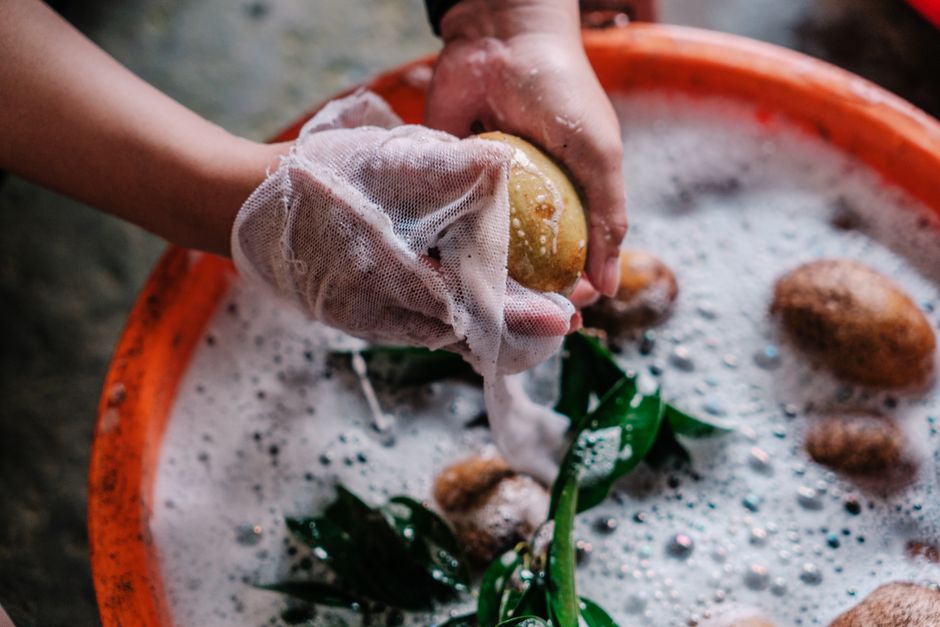
Use a clean basin with water at the temperature specified on the label. Add a detergent suitable for the fabric, following its dosage instructions, and disperse it before placing the garment in the water. More detergent does not mean better care; excess can be difficult to rinse from layered fabric and elasticated sections.
Wash delicate pieces individually, especially when their colors differ. Support the item as you lower it into the water and move it gently rather than scrubbing or twisting. Keep soaking within any stated care instructions. Extended soaking can affect dyes, trims or attached components, so do not leave a decorated top in the basin while you get on with your day.
Rinse gently with water at a similar temperature until detergent residue is gone. Support the wet garment throughout, as its extra weight can strain narrow straps and open-knit panels. Press water out carefully without wringing. Avoid fabric conditioner unless the garment’s instructions support its use, particularly for clothes that depend on stretch and recovery.
Make machine washing a deliberate choice
If machine washing is permitted, check the required temperature and cycle rather than assuming every delicate setting is suitable. Wash with compatible colors and lightweight items. Heavy denim, exposed fastenings and rough fabrics can create friction and snags. Leave room for garments to move freely instead of packing the drum tightly.
Fasten suitable zips and hooks, and use a mesh laundry bag where appropriate. Turning a garment inside out may protect its outer surface, but check whether internal hooks or decoration could catch against another layer. A bag provides some protection; it does not make hand-wash-only clothing machine washable. Follow any spin restrictions, too.
Dry with shape and surface in mind
For a washable piece that can tolerate towel pressing, lay it on a clean towel and gently press out moisture without rubbing. Choose a towel that will not transfer lint or dye. Reshape the garment carefully, aligning seams and smoothing the lining without pulling it taut. Follow the label’s flat-dry or hanging instructions.
Keep drying clothes away from radiators and direct sunlight. Give layered items enough airflow, and check that linings, waistbands and padded areas are completely dry before storage. Avoid hanging a heavy wet dress from thin straps. If flat drying is required, support the whole garment rather than letting its sleeves or skirt hang over the edge.
Handle wrinkles and embellishments carefully
Check pressing instructions before reaching for an iron or steamer. Steam is not automatically safe for every delicate garment: heat and moisture can affect finishes, adhesives and trims. If ironing is permitted, use the specified setting and an appropriate pressing cloth. Work gently from the reverse where suitable, avoiding direct pressure on beads, sequins and raised decoration.
For pieces that cannot be pressed at home, let light creases relax while the garment rests on appropriate support, or ask a cleaner for help. Do not scrape a shiny surface or pull at a snag to make it disappear. Trimmed threads can unravel, while loose decoration often needs a small repair before the next wear.
Store each piece ready for its next outing
Put clothes away clean and fully dry. Use padded or smooth hangers for garments designed to hang, and fold stretch-heavy or weighty decorated pieces when appropriate. Separate surfaces that could snag each other with clean, breathable fabric. Avoid squeezing sequins against lace or trapping delicate straps beneath a crowded rail.
Before your next evening out, check the garment in good light and try its closures. A quick look at the hem, lining and straps gives you time to address a loose stitch before getting dressed. Caring for party clothes works best as a repeatable routine: inspect after wearing, clean according to the label, dry with support and store without pressure.