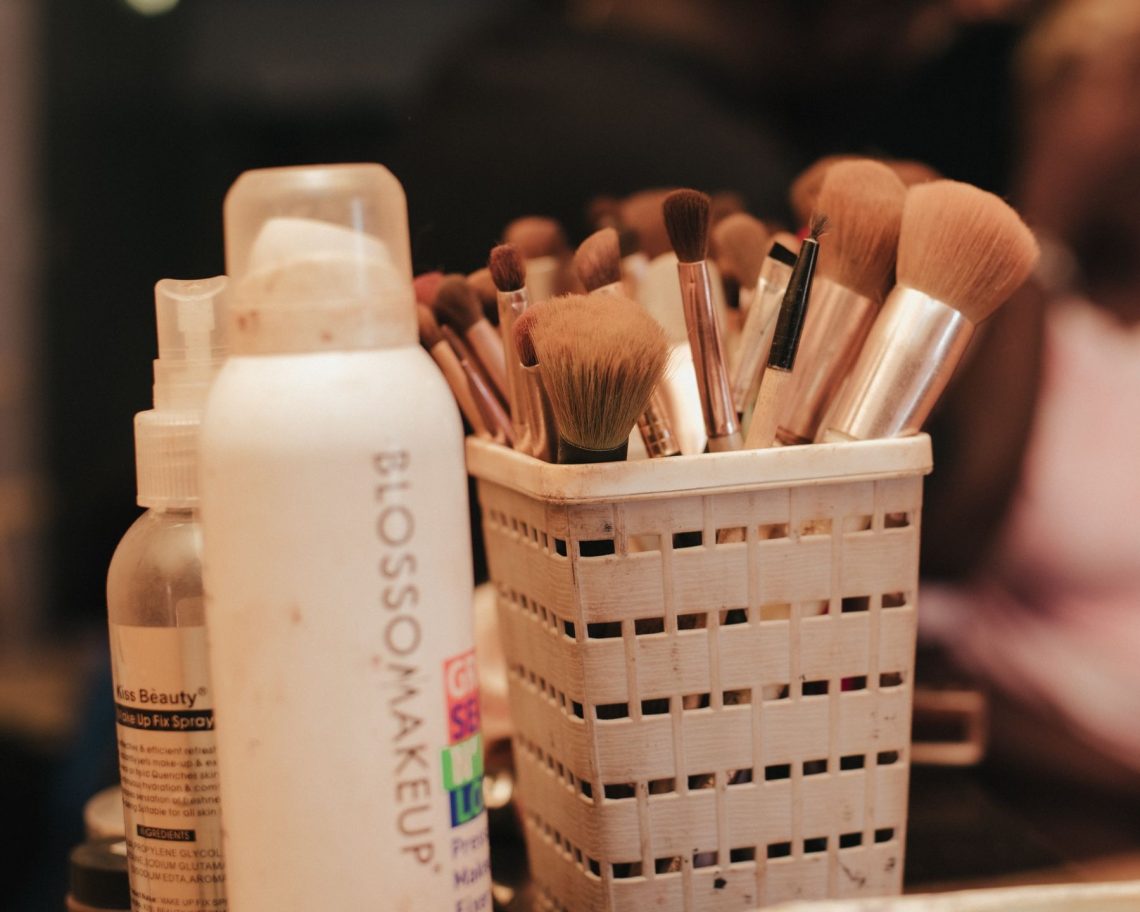
A brush can change the appearance of makeup you already own. The same blush may look like a faint wash with a loose brush and a strong patch with a compact one. Choosing tools by the result you want is more useful than buying a large matching set with several unfamiliar shapes.
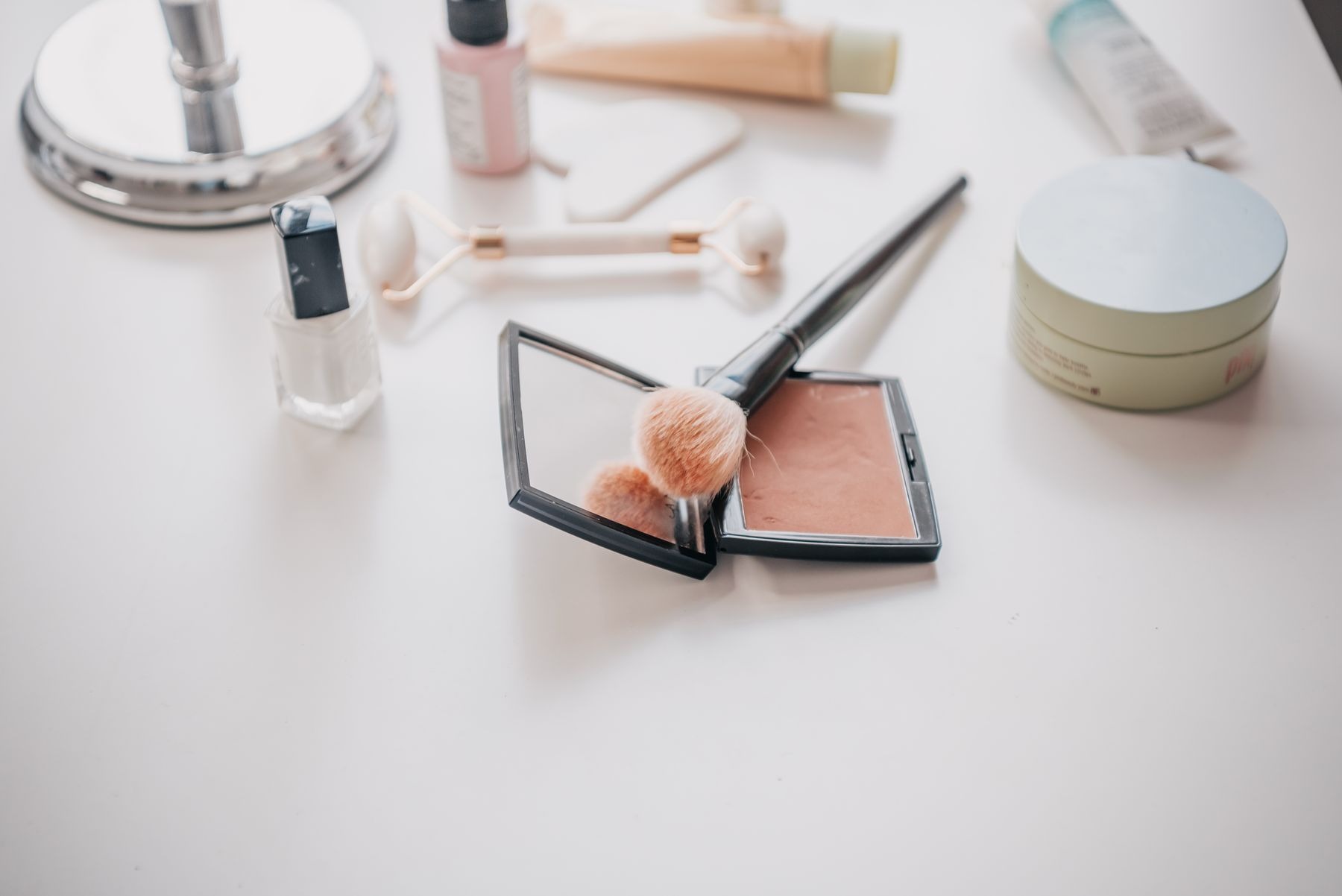
Start with the products you actually use and the space where each one goes. You need a brush head that fits that space, picks up a manageable amount and lets you control the edge. Handle decoration and the number of pieces in a collection do not answer those questions.
Read the brush head before its label
Density describes how closely the bristles are packed. A dense head generally places product more deliberately, while a loosely packed head can spread a lighter veil. Formula matters too: a very pigmented powder may still look strong on a fluffy brush. Begin with a small pickup until you learn the pairing.
Length affects flexibility. Longer bristles usually bend more easily, making them useful for diffusing edges. Shorter bristles give a more direct touch. Pressing either type hard enough to flatten it removes much of that distinction and makes placement harder to judge.
Match size to the working area
- For powder beside the nose, choose a small tapered head rather than a large face brush.
- For blush, choose a head narrower than the area you want to color.
- For a precise shadow line, use a short, narrow brush instead of the side of a blending brush.
- For foundation around facial contours, look for a head that can reach without forcing the handle against your face.
Build a useful four-brush kit
If you wear liquid base, powder blush and simple eyeshadow, four tools can cover the main jobs. Choose a compact foundation brush, a medium blush brush, a small eye shader and a soft eye blender. If you apply foundation with fingers, replace that brush with a small powder brush instead.
The shader places color on the lid; the blender softens its boundary. Keeping those jobs separate prevents a blender loaded with dark shadow from spreading that shade farther than intended. There is no need for a different brush for every color if you plan the order and use clean tools.
| Desired result | Useful starting shape | Application motion |
|---|---|---|
| Sheer cheek color | Loose rounded head | Light, short sweeps |
| Targeted base coverage | Compact rounded head | Small presses |
| Soft shadow boundary | Flexible tapered head | Tiny movements at the edge |
| Color along lashes | Short narrow head | Controlled placement |
Learn the pickup-and-release test
Touch the brush to the product once, then look at the bristles. With powder, gently tap off loose excess over the compact. Apply to one small area and inspect before reloading. This reveals whether the brush releases most of its color immediately or builds it gradually.
Hold the handle farther back when you want a lighter touch. Move closer to the head when you need precision, but keep your grip relaxed. Watch the bristle tips: they should move over the surface, not splay completely sideways. If your cheek moves with every stroke, ease the pressure.
Correct the pairing before replacing the tool
A patch of blush does not automatically mean the brush is unsuitable. Try less product, a lighter touch and a base that is no longer wet. For streaky foundation, switch from long dragging strokes to short presses, then soften only the outer edge. Change one variable at a time so you can see what helped.
Keep brushes for wet formulas separate from tools you are using with powders during the same application. A damp or creamy head can pick up powder unevenly. Before buying another tool, write down the exact limitation: too wide beside the nose, too floppy for concealer, or too dense for a strong blush. That description will guide the next purchase better than a brush number.
Check the handle in your usual mirror
A long handle may be comfortable at a dressing table but awkward when you lean close to a bathroom mirror. Hold the brush where you would normally grip it and imagine reaching the inner eye or side of the nose. Check whether the handle hits the mirror before the head reaches the area. Also notice whether a very heavy handle makes your grip tighten. These practical details do not change the bristles, but they affect how easily you can keep the light, steady touch the tool needs.