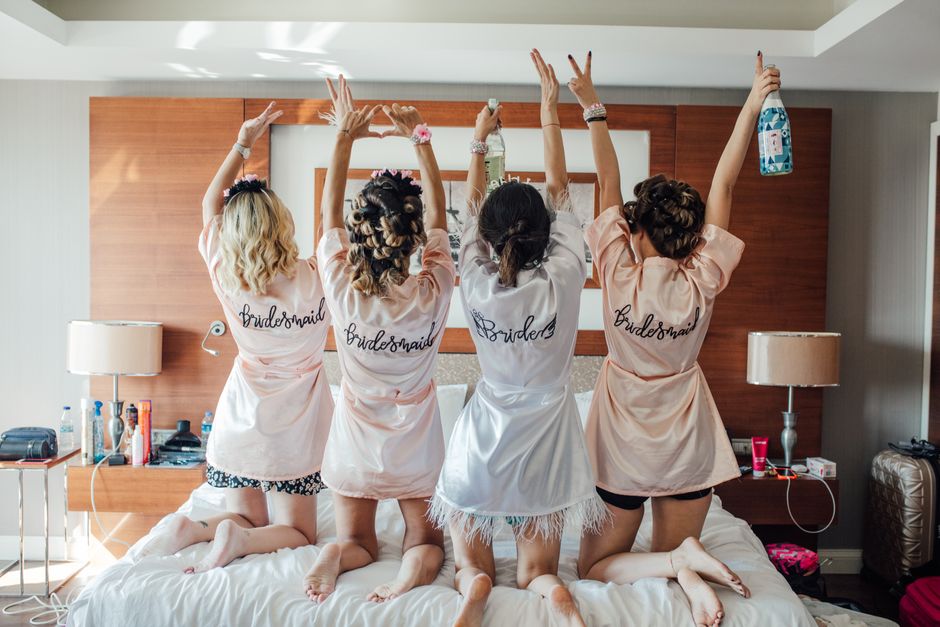
Choosing a bachelorette party outfit for everyone in the group starts with a shared plan, not an identical dress. Friends may have different budgets, clothing sizes, coverage preferences and ideas of what feels festive. A useful outfit brief gives everyone enough direction to feel part of the celebration while leaving room to dress comfortably. Build the look around the actual itinerary, the bride’s preferences and a few flexible details.
Start with the itinerary
A seated dinner followed by a nightclub needs a different approach from a casual bar crawl or an organized activity. Confirm the venues, likely walking distances and dress codes before suggesting outfits. Check rules directly with each venue, particularly if the group wants novelty accessories. Something that looks perfect for the theme may still be impractical for an activity or unsuitable for entry.
Share practical details in one message so nobody has to assemble the plan from scattered conversations. Include outdoor waiting, coat storage and opportunities to change. If the schedule is uncertain, dress for the confirmed stops. Avoid asking guests to buy clothes for a possible destination that may never become part of the evening.
Let the bride help set the tone
Some brides love being instantly recognizable; others prefer a subtle distinction. Ask whether she wants a particular color, shared detail or simply a group dressed for the occasion. Do not assume she wants white, a veil or a sash. Her preferred outfit can inspire the plan without requiring guests to copy its shape or level of exposure.
If she wants a standout look, agree on what is reserved for her. That might be ivory clothing, a particular accessory or the only fully sequined outfit. Keep the boundary specific: reserving one shade is easier to follow than asking everyone else to look understated. If she changes her outfit later, consider adjusting her accessories before changing the whole group’s brief.
Choose one coordinating detail
The easiest brief has one main requirement. A color family, shared accessory or common level of dressiness creates a connection without identical purchases. Combining a precise shade, fabric, hemline and shoe style makes participation harder. Decide which detail matters most and leave the rest to personal choice.
A broad color palette
A color family lets guests choose dresses, suits, jumpsuits or separates. If the plan is pink, explain whether blush, rose and fuchsia all count. Include a written description alongside inspiration pictures because screens and lighting affect how shades appear. Accept reasonable variations instead of making guests order several garments to find an exact match.
A shared accessory
If everyone already has suitable clothing, connect their outfits with an optional detail, such as a ribbon on a bag or a similar hair accessory. Choose something easy to remove and permitted at the venues. Offer an alternative if the accessory requires pierced ears or a hairstyle someone cannot comfortably wear.
Discuss spending before shopping
Clothes are only one part of attending the celebration. Ask privately what people can comfortably manage without requiring them to explain their finances to the group. Build the brief around items guests may already own. Make borrowing and repeating outfits explicitly welcome. A coordinated photograph does not depend on every garment being new.
If you suggest a special purchase, clarify whether it is optional and who will pay. Avoid ordering matching pieces and announcing the cost afterward. Exact matching also causes problems when sizes sell out or cuts fit differently. Check availability, delivery time and return conditions before committing, and agree on an alternative that counts as equally appropriate.
Offer several equally festive options
Examples help people interpret a theme when they show genuine choices. For a dressy color brief, suggest a dress, a trouser outfit and a skirt combination. Present them with equal enthusiasm so nobody feels one is the approved look and the others are compromises. Coordinate the mood without assigning clothes according to anyone’s body.
- A dress: A wrap, shift or fitted style in the agreed palette, chosen for the wearer’s preferred coverage and movement.
- Trousers: Tailored trousers with a dressy top, or a jumpsuit that is easy to manage independently.
- A skirt: A skirt and top in related shades, with neckline and hem length left to the wearer.
Leave underwear, sleeves and coverage decisions to each guest. Someone may need a supportive bra, want covered shoulders or prefer a looser waistband. Mobility aids, seated comfort and sensory preferences can also affect clothing choices. Ask what would make the brief workable rather than requesting personal explanations. Allow room for these needs from the beginning.
Keep footwear and layers flexible
Keep shoes outside the matching requirement. People have different support, balance and fit needs, and the evening may involve extended standing. Ask guests to check that their footwear meets venue rules and works for the route between stops. A secure pair they already find comfortable is a useful starting point. Allow time to find an alternative if shoes pinch or slip.
Let coats and cover-ups vary too. Guests should be able to dress for the weather and their temperature preferences. If you want a photograph without outer layers, take it somewhere comfortable before leaving or indoors at an appropriate stop. Nobody needs to spend the queue shivering to preserve the chosen palette.
Write a brief everyone can follow
Put the essentials into one short message that separates the shared requirement from optional inspiration. Give guests enough notice to check wardrobes and arrange alternatives. Set a point after which the theme stays fixed, unless the itinerary changes in a way that affects comfort or venue access. Constant revisions make a simple plan difficult.
For example: For dinner and dancing, wear a dressy outfit in any shade of blue. Dresses, trousers, skirts and jumpsuits all work. Choose comfortable shoes and bring a layer for the walk. The bride is wearing ivory. Existing outfits are welcome, and accessories are optional. Adapt the details to the actual evening while keeping the same clarity.
Allow for real life on the day
Before leaving, encourage everyone to sit, walk and raise their arms in their outfit. Check hems and closures, and resolve anything that needs constant adjustment. A small repair kit can help with an unexpected loose fastening, but it should be a backup rather than the solution for clothing that does not fit securely.
If a delivery fails or someone arrives in a different shade, welcome them without making their clothes the evening’s problem. Arrange photographs so everyone can stand or sit comfortably. Avoid pressuring guests to remove layers or adopt particular poses. A thoughtful outfit plan adds a sense of occasion while allowing every person to relax and enjoy celebrating together.