A walking break does not have to begin at the moment running becomes unbearable. Planned breaks give an outing a clear rhythm and let you make decisions before fatigue becomes the loudest voice. They can be useful for beginners learning outdoor running and for runners who simply prefer mixing the two activities.
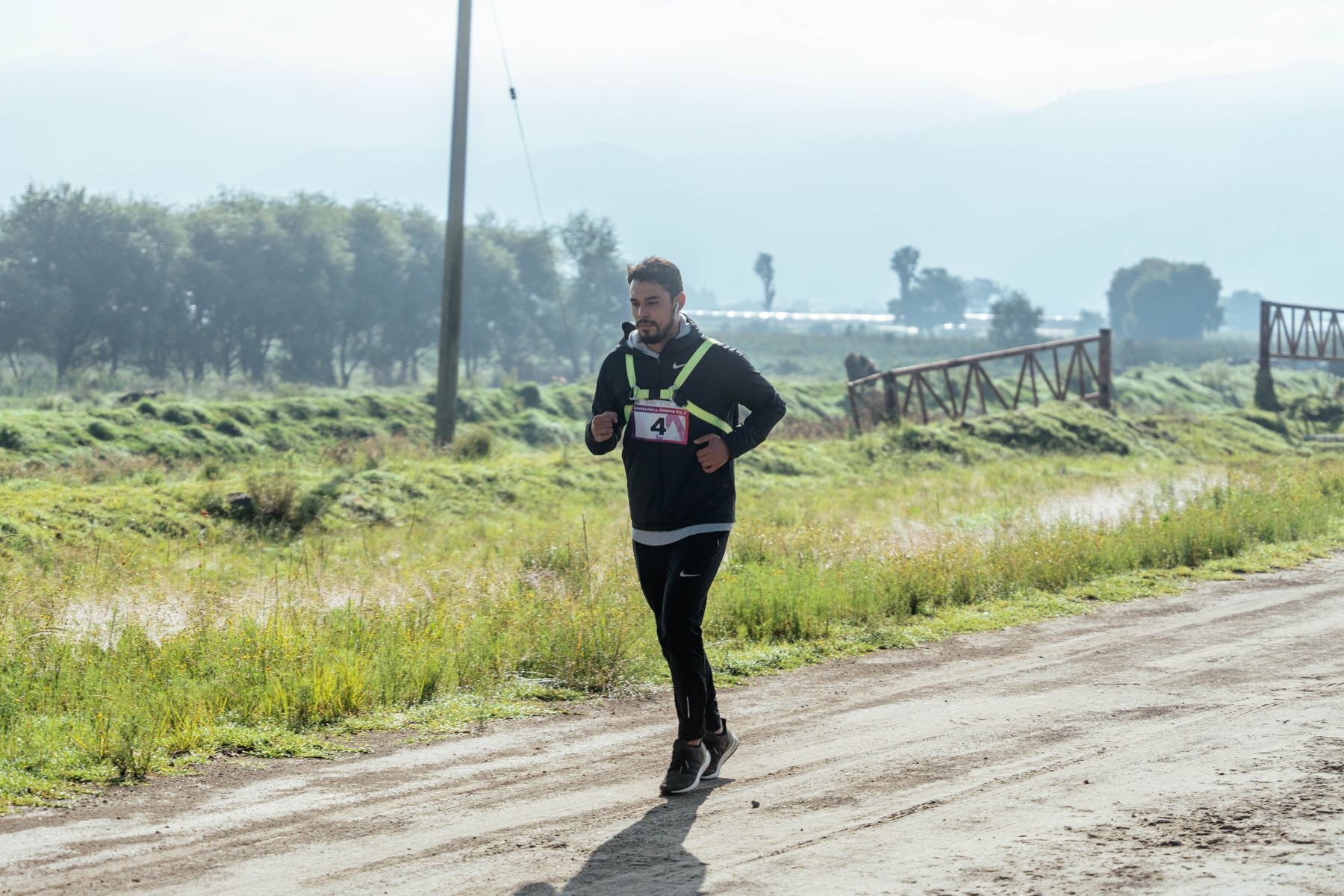
The important distinction is intention. Alternating running and walking to keep a session manageable is different from sprinting repeatedly and staggering through the gaps.
Choose a simple way to switch
You can use time, landmarks, or a guided beginner programme. Timed prompts suit a route without reliable markers. Landmarks can work on a familiar path, provided the spaces between them are not unexpectedly long or hilly.
A structured programme can remove the decision-making. If you follow one, read its complete instructions rather than borrowing only a running interval from the middle. Warm-up, walking periods, rest days, and permission to repeat a stage are part of the arrangement.
Compare the three options
| Method | Useful when | Possible complication |
|---|---|---|
| Timer prompts | You want consistent reminders | A prompt may arrive at a crossing |
| Landmark switches | You know the route well | Marker spacing can change the demand |
| Guided programme | You prefer less planning | You may feel pressure to advance before ready |
Keep the running portion restrained
Begin after a gradual walking start. Choose running segments short enough to remain controlled and walking segments long enough to settle before the next start. The first few running steps should feel like easing into motion, not launching from a starting line.
As an illustration rather than a required session, someone might experiment with a brief jog between two nearby landmarks followed by a longer walk. Someone else may need entirely walking outings first. There is no universally correct ratio that overrides your current ability.
Walk with a purpose, but do not rush the recovery
Let the walking portion do its job. Keep moving comfortably if appropriate, relax your hands, and notice whether breathing becomes easier. If the next running prompt arrives while you still feel overextended, continue walking or end the running section.
You do not have to make the walk extremely brisk to preserve the average pace. That can defeat the reason you planned a break. The whole outing matters more than proving that every second was strenuous.
Check before restarting
- Is the next section clear enough to run without abrupt dodging?
- Has breathing settled sufficiently for another controlled segment?
- Does the intended effort still feel manageable?
- Would a longer walk be the more useful choice today?
Let the surroundings override the timer
Do not begin a running interval in the middle of a busy crossing because a device beeps. Cross safely, clear the junction, and start when there is room. Similarly, walk through congestion or a slippery section without trying to reclaim the missed running time afterward.
If using audio prompts, keep enough awareness to hear other path users and traffic. Stop in a clear place before adjusting settings. A simple timer is helpful only when operating it does not become a distraction.
Change one part when you are ready
After several manageable outings, review what you actually want to change. Perhaps the current arrangement already suits your goals. If you want more continuous running, you might lengthen one running section while leaving the route, overall outing, and other intervals familiar.
Avoid simultaneously adding repeats, extending running periods, shortening walks, and choosing a hillier route. Those changes accumulate even when each looks small on its own. Repeating an arrangement is a valid choice when the last attempt felt difficult or life has been unusually tiring.
Measure more than uninterrupted minutes
Useful signs include starting at a controlled effort, reaching planned walking breaks without desperation, and making sensible adjustments around terrain. Record those alongside total time if you keep notes.
Continuous running is one possible goal, not the definition of being a runner. A run-walk outing can remain your preferred format. The best pattern is one you understand, can adapt, and do not need to turn into a competition with the person passing you on the path.