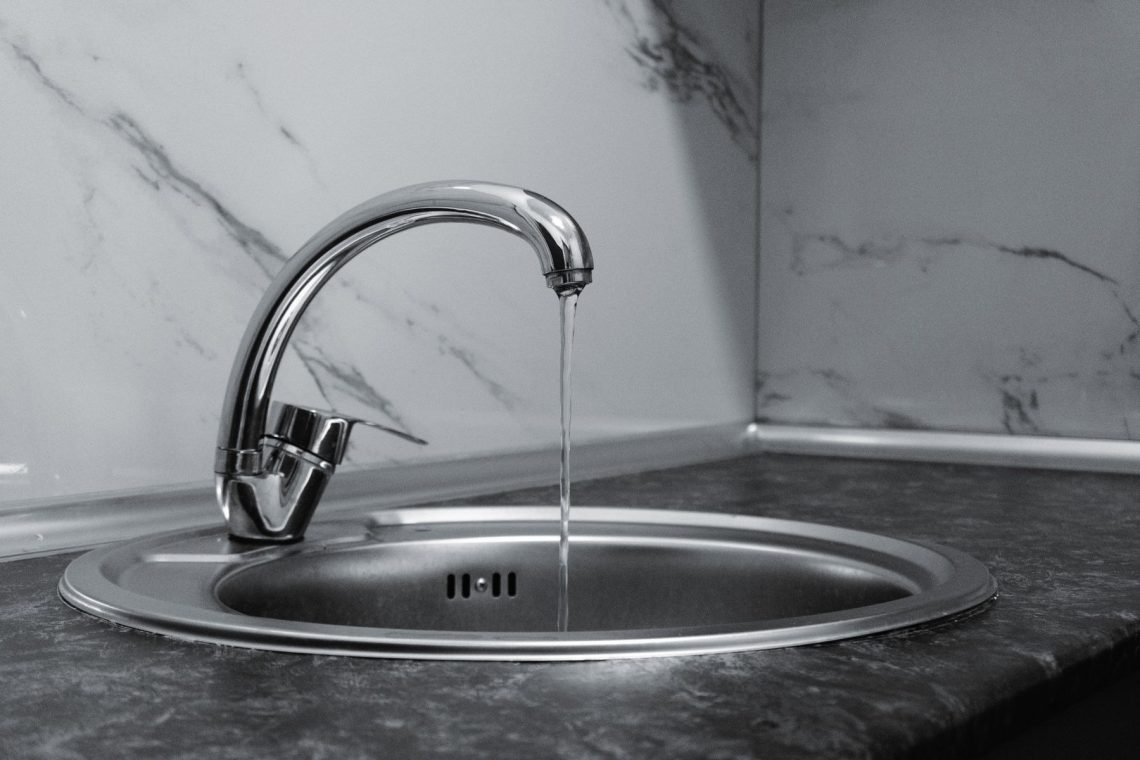
Water habits are easiest to change where wasted flow is visible: a tap running while nobody uses it, a dripping fitting, or a rinse that continues after the job is finished. Walk through the house with those moments in mind before buying devices or imposing strict targets.
The aim is to remove unnecessary running water while keeping normal washing, food preparation, and household hygiene effective. Different homes have different fittings and needs, so use observations from your own rooms rather than assuming every family should follow the same timetable.
Watch the kitchen tap during real tasks
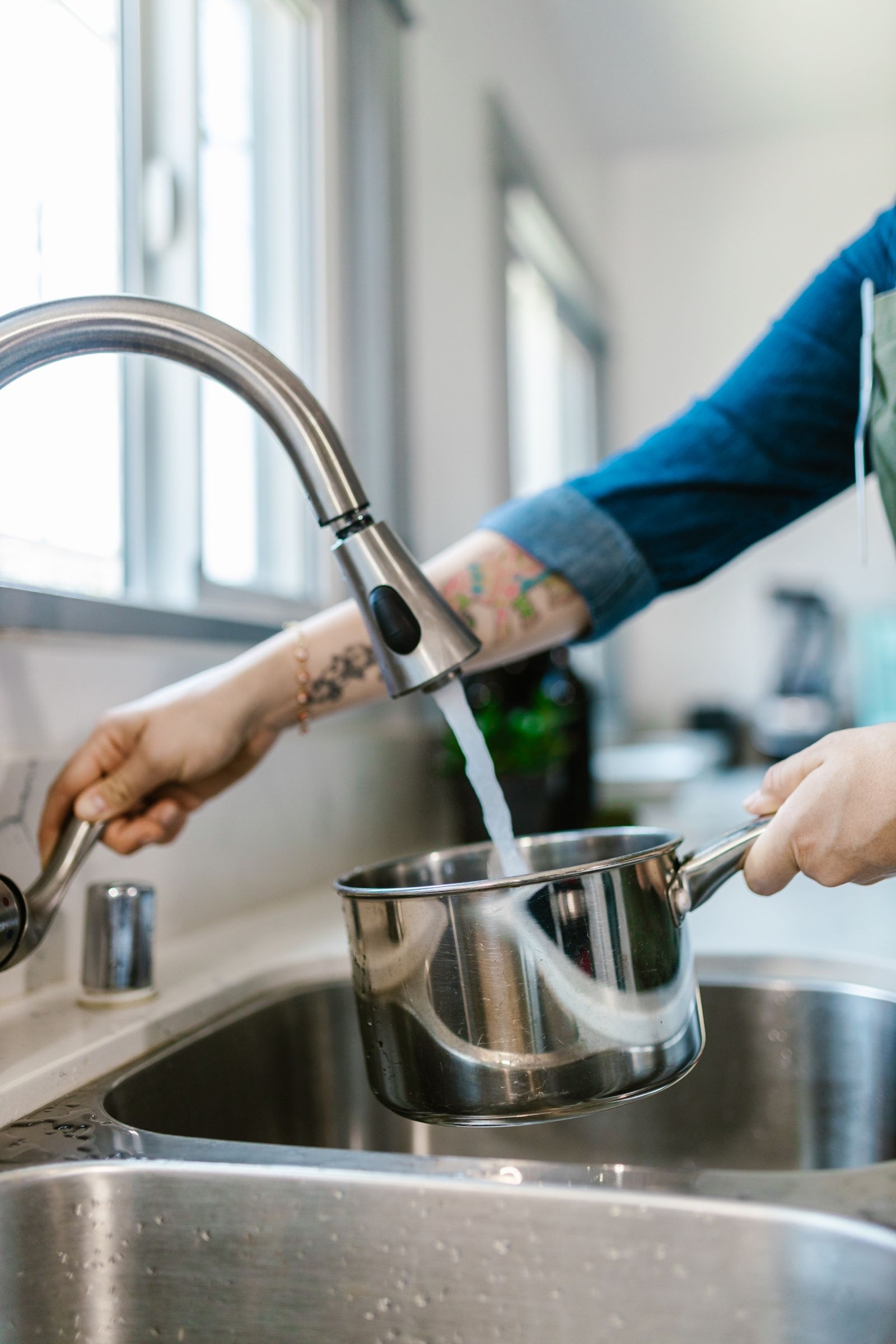
Notice when water runs without doing useful work. Perhaps it continues while vegetables are chopped, dishes are rearranged, or someone searches for a towel. Turn it off during those pauses and place the tools for the next step within reach before starting.
When washing dishes by hand, use an appropriate washing and rinsing arrangement instead of leaving the tap on continuously. Keep the water suitable for the task and replace it when dirty. Scrape food into the appropriate waste route first; washing large scraps down the drain creates another problem rather than solving one.
- Put the draining rack in place before beginning.
- Gather dishes so washing is one task rather than several scattered rinses.
- Follow appliance instructions instead of automatically prerinsing every plate.
- Choose a bowl size suited to a small preparation task.
Use the bathroom pause
For toothbrushing, switch the tap off between the moments you need water. Position soap and towels where children can reach them without leaving the tap running while they ask for help. Adults should supervise temperature and help anyone who cannot operate the controls comfortably.
For showers, identify unneeded waiting time rather than rushing necessary washing. Have toiletries and a towel ready before turning the shower on. A household may choose a simple timer as a reminder, but keep it flexible for hair washing, mobility needs, and other practical requirements.
Make the reminder about an action
‘Tap off while brushing’ is easier to follow than ‘save water.’ Use one short reminder near the sink if needed, positioned where it will not get soaked or interfere with cleaning. Remove it when the action becomes familiar instead of covering the bathroom with instructions.
Check for quiet leaks
Listen for a tap that drips after closing and a toilet cistern that keeps refilling when nobody has used it. Look for water where fittings should be dry, without opening sealed parts or dismantling plumbing. Put a dated note on your household maintenance list so a suspected leak does not become background noise.
If a simple fitting adjustment is not within your knowledge, arrange appropriate repair help. Tell the person responsible for the property promptly if you rent. Keep children away from tools and water shutoff controls, and do not attempt repairs that require expertise you do not have.
Match laundry water use to the load
Check the washing machine’s instructions for load size and program selection. Aim for suitably filled loads without packing the drum tightly. Overloading can compromise washing and lead to another cycle, while tiny loads may use resources inefficiently for the amount cleaned.
Sort around actual care needs. Heavily soiled items and delicate fabrics may require separate treatment, so ‘combine everything’ is not a useful blanket rule. Keep a visible place for items waiting for a compatible load, and do not let damp laundry sit in a closed basket.
Give outdoor watering a clear purpose
Check whether plants need water before turning on a hose. Direct water toward the root area, not paths or bare paving, and stop when the task is complete. Put a watering can beside small container plants if that makes targeted watering easier.
Follow any local restrictions and the care needs of the plants. Do not repurpose cleaning water or water containing detergents for the garden on the assumption that reuse is always suitable. This routine does not need an improvised greywater system to be worthwhile.
Choose two changes the household can notice
After the walk-through, pick one habit and one maintenance action. That could mean turning off the tap during brushing and arranging repair of a persistent drip. Assign who will do each task and when you will check it again.
During the following week, look for practical signs: the tap is off during pauses, the leak has been addressed, or the hose is no longer left running while tools are put away. Discuss obstacles without blaming the person who forgot. A reachable towel or a repaired control may achieve more than repeated reminders.