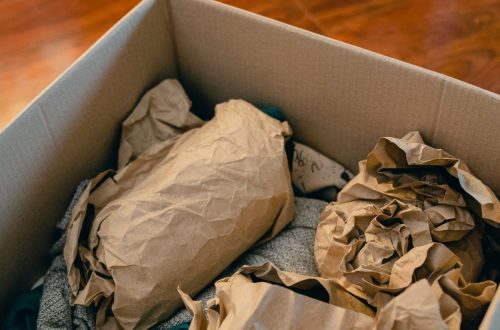
The return journey is the hidden half of a reusable routine. Bags go shopping and stay in the car. A picnic cloth comes home damp inside a backpack. Drinks bottles gather by the sink while the next outing is packed with whatever is easiest. Sharing the return work keeps those objects available without making one person the household recovery service.
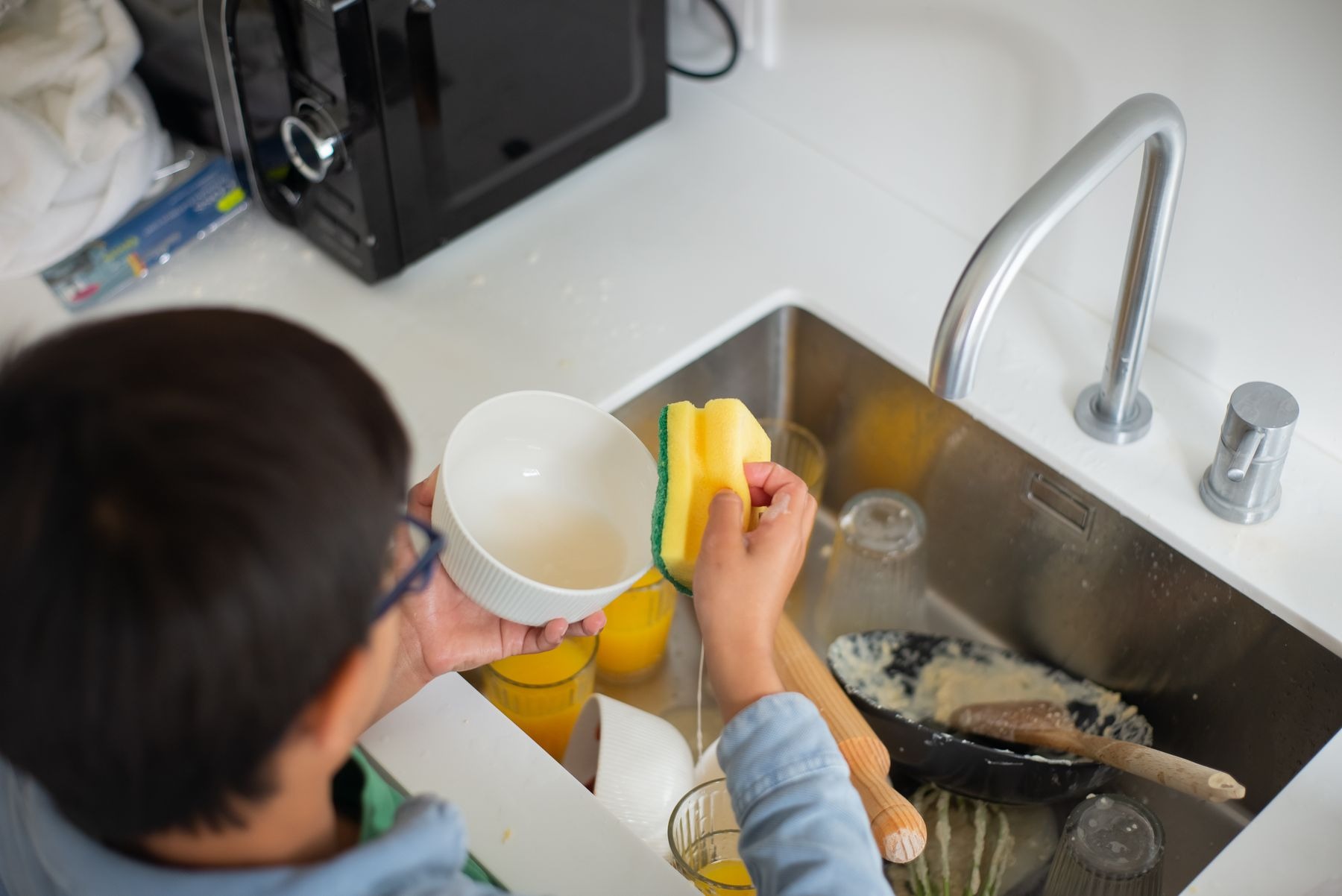
Focus on items used away from home: shopping bags, bottles, picnic textiles, and suitable travel utensils. Leave ordinary kitchen cleaning and general weekly tidying outside this exercise. You are designing the short handoff between arriving home and being ready to leave again.
Map one real arrival
Choose a typical outing and watch what happens afterward. Where are bags dropped? Who knows they contain used items? What needs washing, drying, checking, or repacking? Write the actual steps, including any task usually performed later by someone else.
Do not begin with a new set of organizers. The first change may simply be moving an existing basket closer to the unpacking point or agreeing that backpacks are opened before being stored. Observe enough to distinguish a missing place from a missing responsibility.
- Bring the outing bag to the agreed unpacking point.
- Separate items needing washing from clean unused supplies.
- Check pockets for food, damp textiles, and loose pieces.
- Return the empty bag to its storage location after it is dry.
Assign complete actions
‘Help with the picnic things’ is hard to act on. ‘Empty the utensil pouch into the washing area and hang the dry pouch back on its hook’ has an obvious finish. Assign tasks according to ability, reach, and what people can safely carry.
Children might bring their own bottle to the washing area or place a dry napkin in its basket. Adults should handle sharp utensils, cleaning products, heavy bags, and any food that needs an adult decision. Give help where it is needed without assuming one person must do every later step.
Name the handoff, not just the starter
If one person empties the bag and another washes its contents, both need to know when the handoff is ready. Use a visible tray or agreed position that clearly means ‘needs washing.’ Do not mix it with the place for clean items, or someone will eventually repack an unwashed bottle.
Separate wet returns from ready supplies
Provide an appropriate washing and drying route for each item, following its care instructions. Open bottles and remove parts as directed so hidden areas can be cleaned and dried. Do not seal damp cloths or bags into a box for the next outing.
Keep the ready-to-go area for fully clean, dry objects only. A small shelf or basket can work, but keep it out of the way of food preparation and busy walkways. Make readiness visible enough that packing does not require asking who last handled each object.
Use two triggers already in the day
The arrival trigger can be taking off shoes or putting keys away: before the outing bag is stored, it is opened. The second trigger can be a later ordinary task, such as putting away clean dishes: ready items return to the outing kit then.
A trigger is a reminder, not a demand that every job be finished instantly. A tired family may unpack essentials now and wash later. Agree which step cannot wait, particularly removing food or damp textiles, and give the later step a clear owner.
Agree on a workable fallback
Sometimes someone is ill, an outing ends late, or an item is forgotten. Choose a backup that does not require a blame session. One adult can handle urgent unpacking while the usual owner completes restocking the next day. Keep a spare suitable bottle or bag only if it genuinely helps.
If the same person repeatedly rescues the routine, review the allocation. Perhaps the assigned task is too heavy, the washing point is inaccessible, or the timing conflicts with another responsibility. Fix that constraint before adding more reminders.
Check readiness before the next departure
During packing, note what is missing and trace the unfinished step. A clean bag left upstairs needs a different solution from a bottle that never returned from school. Solve the specific gap and avoid buying replacements until you understand whether an item is lost or simply elsewhere.
After several outings, keep only the handoffs that make departure easier. Everyone should know their small part and where the finished object belongs. Reusables stay useful when their return journey is ordinary shared work, with a clear beginning and a visible end.