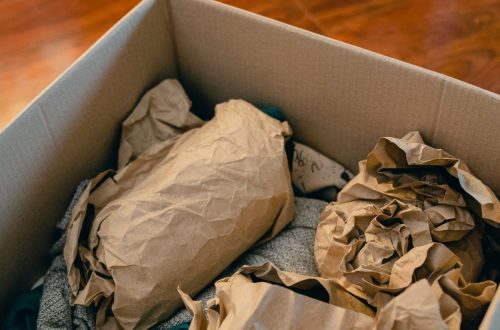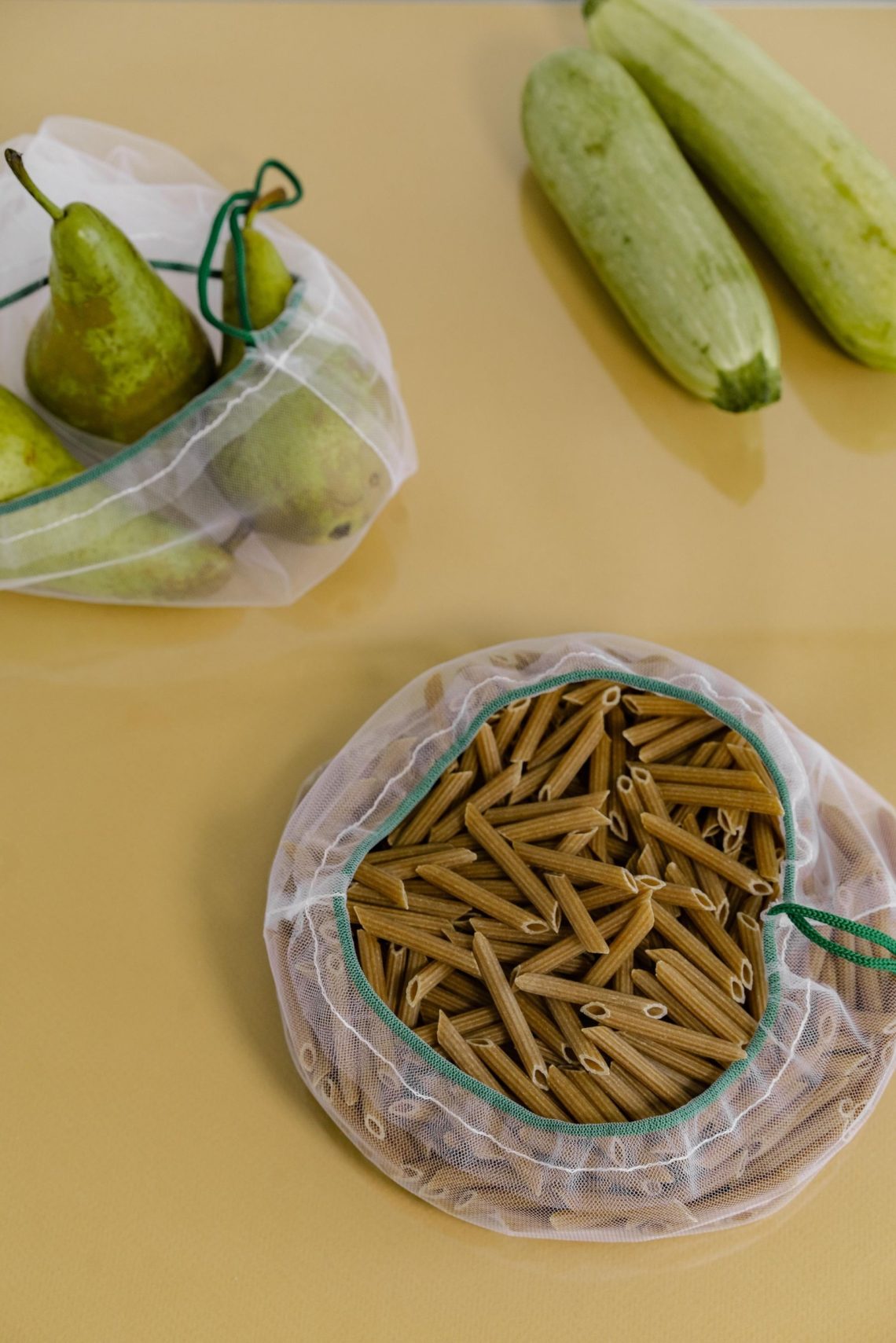
A bin full of wrappers tells you something useful, but only if you can connect those wrappers to ordinary shopping decisions. A household packaging audit is not an exercise in saving every scrap or judging anyone’s snacks. It is a short investigation into which packages keep coming home, what purpose they serve, and whether a workable alternative exists.

Keep the first attempt small: study dry kitchen packaging for one normal week. Leave bathroom waste, broken objects, and unusual celebration rubbish for another time. You want a picture of repeated purchases, not a collection that takes over the house.
Record packages without storing rubbish
Put a sheet of paper near the kitchen bin and recycling area. Give it four columns: item, packaging, reason for buying, and possible change. Make a mark when a familiar package is emptied. Photograph labels if identifying the material later would help, then dispose of everything through its usual route.
Do not retrieve dirty waste or ask children to handle sharp lids. An adult can record awkward items while clearing the counter. Counting an object before disposal is enough; there is no need to wash and display a week’s rubbish.
- Count the same kind of wrapper together, such as individual cracker packets.
- Record containers separately from loose produce bags.
- Note whether a package prevented damage, leakage, or food spoilage.
- Mark unusual purchases so they do not dominate the results.
Look for repetition before volume
A large cereal box is easy to notice, while a small daily wrapper disappears into the bin. Review both frequency and function. Choose three packages that recur often enough to be worth discussing. Start with objects you can change through a regular grocery purchase, rather than a specialist trip.
Ask why the family buys each item. Individual portions may support school requirements, a rushed commute, or a child’s ability to pack independently. Replacing them with a large bag only works if somebody can portion the food, wash the containers, and remember them the following morning.
Turn an observation into a trial
Write a precise experiment instead of a vague promise. For example, try one larger tub of a familiar snack and fill existing small containers on two school mornings. Keep the rest of the shopping unchanged. If the trial fails, you will know which task caused trouble rather than blaming a complete household overhaul.
Compare the whole package, not its appearance
A paper sleeve can hide a plastic liner. A refill may still require a separate outer pouch. A larger container can use less packaging per portion but become wasteful if the food is not finished. Read the packaging information and compare the amount your household will actually use.
Do not assume a material belongs in household recycling because it looks familiar. Use your collection service’s accepted-material list when checking disposal. Keep uncertain items out of the recycling until you have an answer; a hopeful guess does not make a package recyclable.
| Repeated item | Possible experiment | What to watch |
|---|---|---|
| Small snack packets | Portion a familiar larger pack | Extra washing and stale leftovers |
| Produce bags | Leave sturdy loose produce unbagged | Checkout handling and bruising |
| Duplicate condiment bottles | Check the cupboard before shopping | Whether opened bottles get finished |
Make the shopping list carry the decision
Add the experiment beside the exact item on your list. Write ‘apples loose’ or ‘one shared cracker pack’ rather than ‘less plastic.’ The person doing the shopping should not need to remember a separate discussion. If someone else shops, show them the reason and agree on an acceptable fallback.
Keep accessibility and food preferences in the decision. A hard-to-open bulk tub is not an improvement for someone who needs easy packaging. Smaller portions may remain the sensible choice for particular foods. An audit should identify avoidable waste, not remove packaging that performs a necessary job.
Review the result after two shopping trips
Look at whether the substitute was used, whether food was wasted, and who handled the extra work. Keep a successful change on the list. Modify a nearly successful one, perhaps by choosing a smaller shared pack. Drop a substitute that nobody will eat or manage.
Then choose one further recurring package to investigate. Keep your original tally as a reference, not a permanent scorecard. The useful outcome is a shopping instruction that prevents a familiar piece of waste without creating a new problem elsewhere in the kitchen.