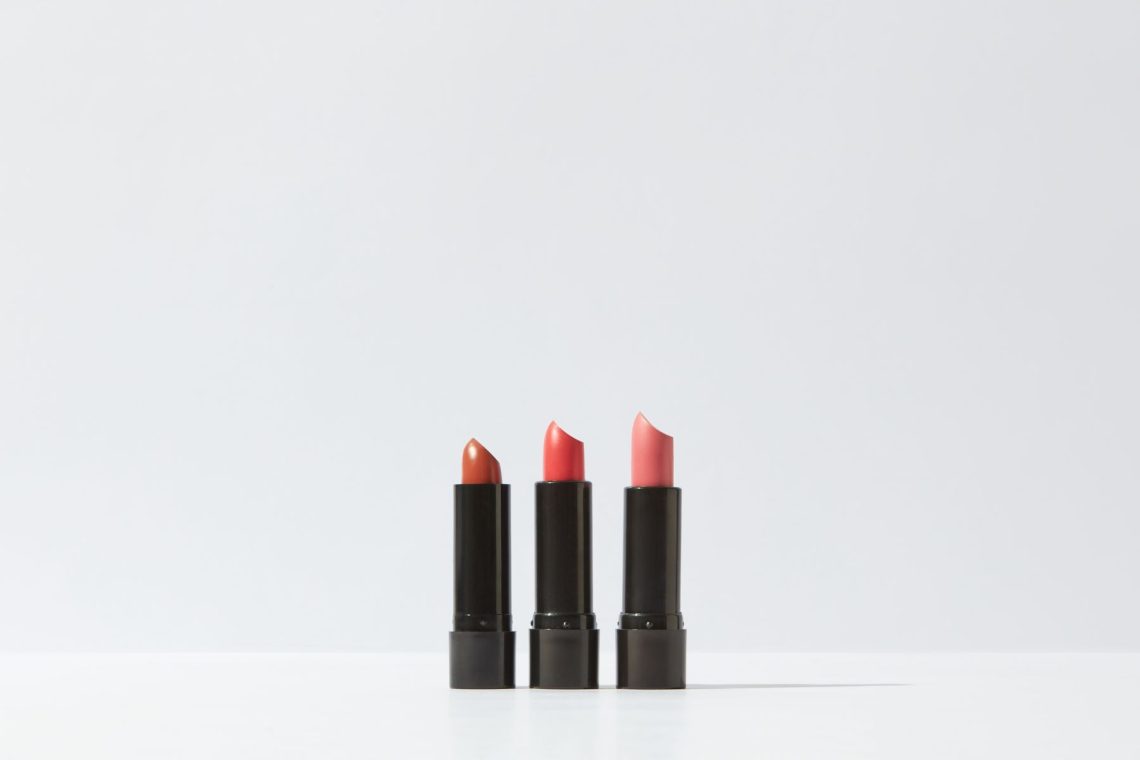
Two lipsticks with almost the same color can look very different once applied. A sheer balm lets your natural lip color show through, an opaque cream replaces more of it, and a matte finish changes how light catches the surface. If a shade feels wrong, the finish may be part of the problem.
Finding an everyday lip color becomes simpler when you compare one variable at a time. First decide how much coverage and shine you enjoy. Then look for a color within that format. This avoids collecting several versions of the same shade in textures you never reach for.
Describe the result, not a universal nude
There is no single everyday shade that looks understated on every face. Natural lip color, surrounding skin color and personal preference all affect the result. Instead of asking for the perfect nude, decide whether you want your lips to look slightly more defined, more colorful or simply glossier.
Look at your bare lips in indirect daylight. Notice the color of the center and the border, which may differ. A sheer product will interact with both. An opaque product can create a more uniform appearance, but a very pale shade may produce more contrast with the rest of your face than you expected.
Compare three finish families
| Finish | Visual effect | Useful question |
|---|---|---|
| Sheer or balmy | Natural lip color remains visible | Do I like the unevenness showing through? |
| Cream or satin | More coverage with some reflection | Does the edge need extra definition? |
| Matte | Less reflective, often more defined | Do I enjoy how this texture looks and feels? |
These are broad descriptions, not promises about comfort or wear time. Some matte formulas feel flexible; some shiny formulas feel sticky. Read the specific product instructions and compare the actual finish rather than relying on the category name alone.
Use a consistent application for comparison
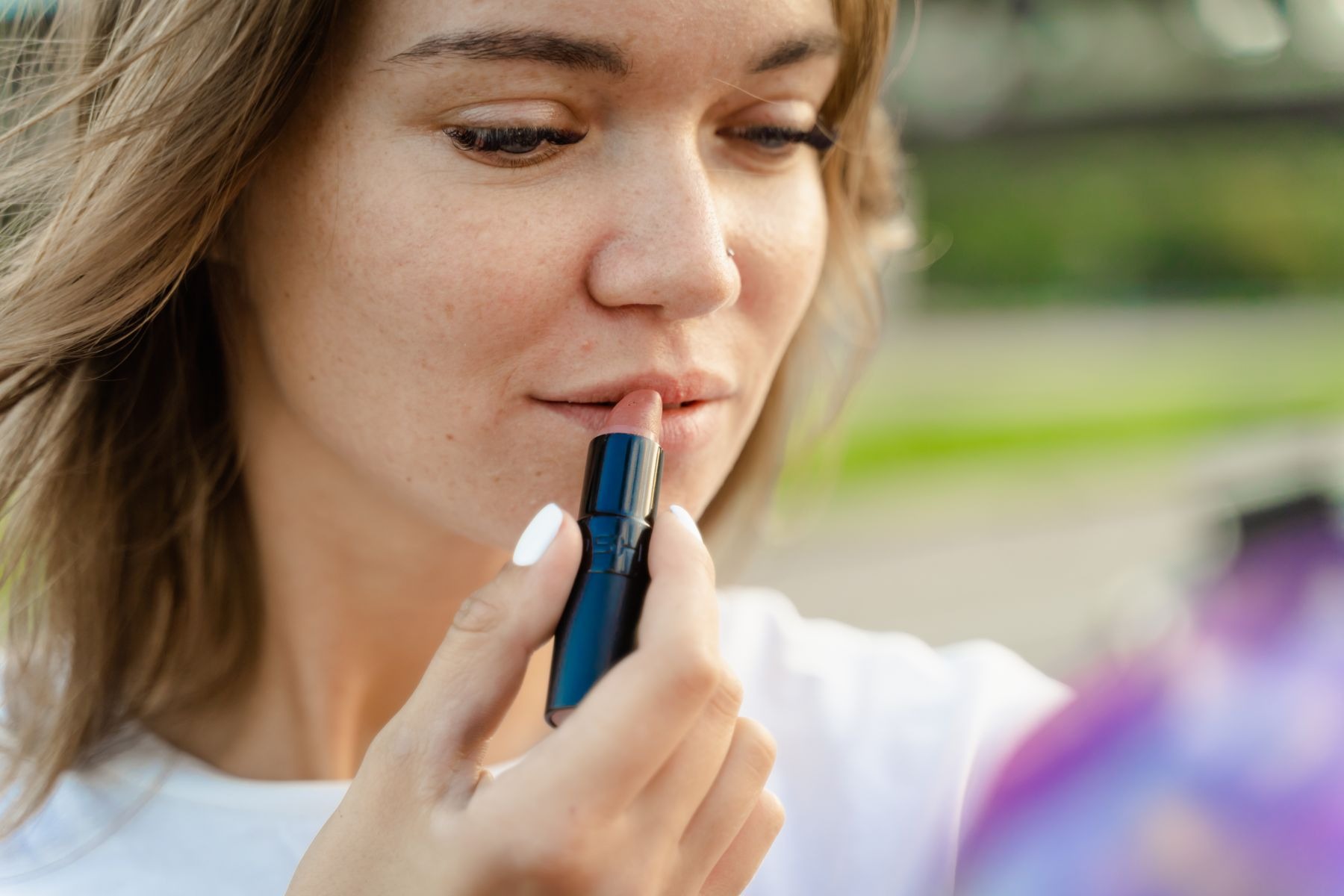
Try a thin, even layer first. Several passes of a sheer formula may look very different from one pass, so note how much you used. If you wear balm underneath, keep that preparation consistent. A thick balm can alter shine, coverage and the way lipstick moves.
Use personal samples or follow a retailer’s clean testing procedure. Do not apply a shared lipstick directly to your mouth. Arm swatches are useful for comparing opacity and general color direction, but they do not reproduce the color of the product over your lips.
Choose color direction after texture
Within your preferred finish, compare a muted rose, a soft brown and a peach or berry direction that appeals to you. The precise starting colors should suit your taste; they are not compulsory categories. Hold the rest of your makeup fairly constant so the comparison remains meaningful.
Check the whole face rather than only a magnified mouth. Does the shade look more gray, orange or pink than you wanted? Does it still feel balanced without blush? A color that works only with a very specific full face may be enjoyable, but it might not be your easiest everyday choice.
Give the candidate an ordinary wear check
- Look at the color after the initial shine has settled.
- Notice whether the center fades differently from the outer edge.
- Check whether you can reapply comfortably without removing everything.
- See whether the cap and packaging work conveniently in your usual bag.
- Decide whether the amount of mirror attention suits your day.
Do not assume a product will remain unchanged through food or drinks because it is described as long wearing. Judge the actual fading pattern. A shade that fades evenly may be easier to live with than a more persistent one that leaves a strong outline.
Keep a small, purposeful selection
Once you find a useful combination, record its color direction, opacity and finish. Those details explain why it works better than a shade name alone. If you want a second option, give it a different job, such as a deeper dinner color or a sheer version for minimal makeup.
Keep the successful product accessible and resist buying near-identical shades simply because they look different in their tubes. Your most useful everyday lip color is the one whose application, appearance and upkeep fit an ordinary day, not the one with the most persuasive name.