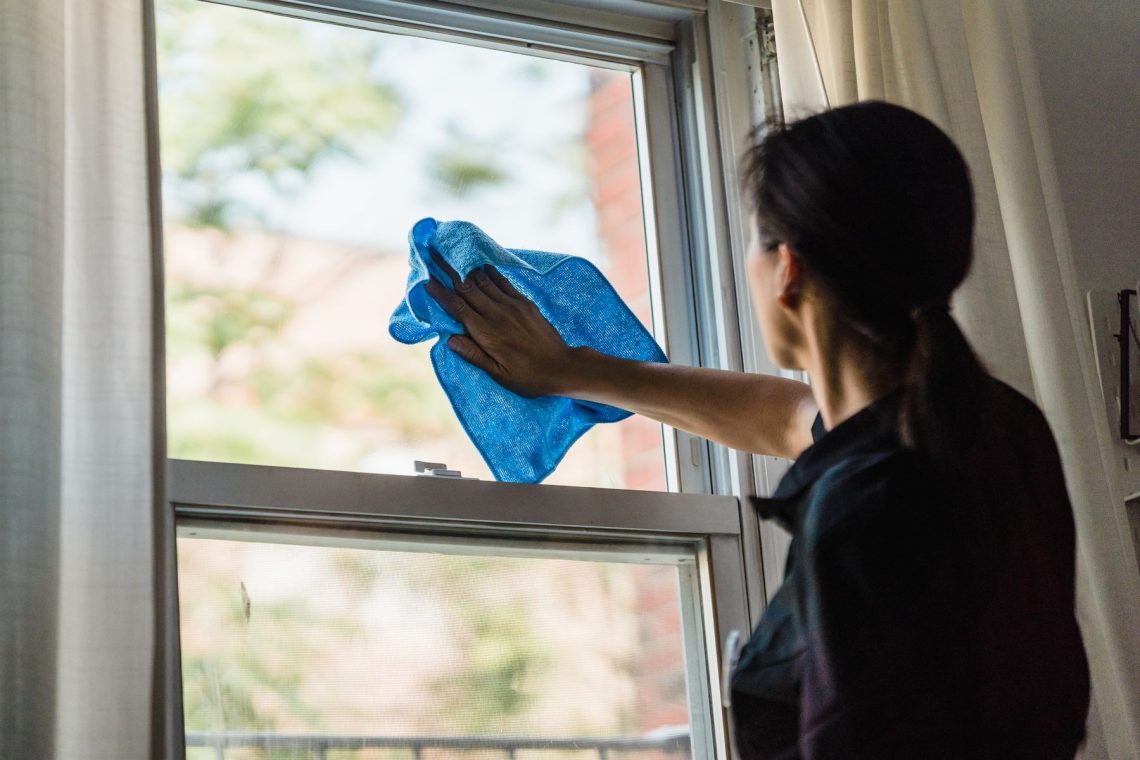
Replacing disposable wipes with cloths only works when clean ones are ready and used ones have somewhere sensible to go. A damp heap beside the sink is not a rotation. Build a short route between clean storage, a defined cleaning job, washing, and complete drying.
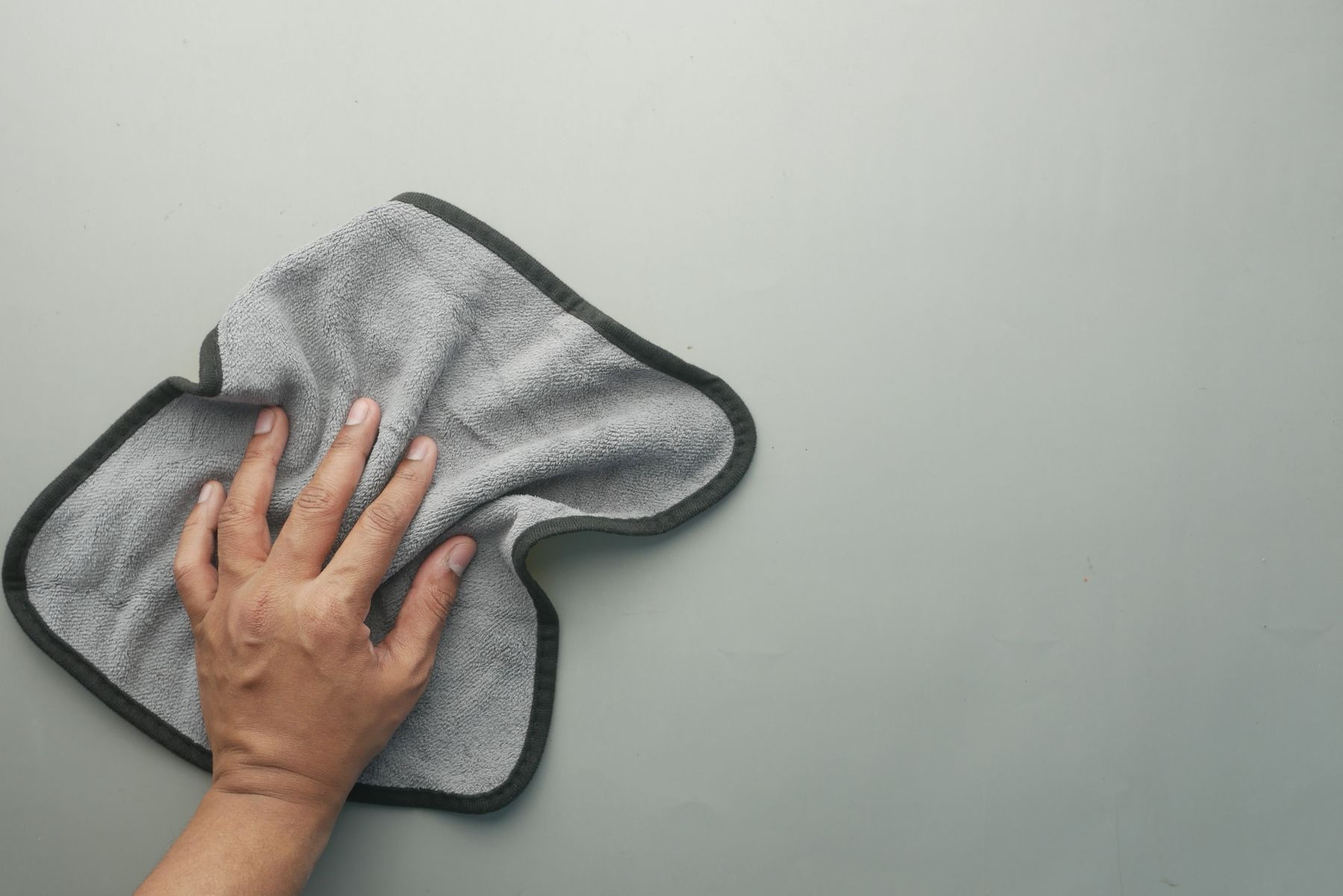
You do not need matching sets. Start with sound washable cloths already in the house, provided they are appropriate for the surface and task. Keep anything used with unsuitable residues or unknown chemicals out of the general collection. This system organizes cloth handling; it does not require homemade cleaning mixtures.
Separate jobs before assigning colors
Choose distinct groups for kitchen surfaces, general dusting, and bathroom cleaning. Keep toilet cloths separate from kitchen and other household cloths throughout use and handling. A color scheme helps only if everyone can recognize it, so add words or clear symbols to the storage locations.
If all your existing cloths look alike, stitch a small contrasting thread mark into a corner or use separate labeled baskets. Avoid loose tags that could detach in the wash. Explain the rule through the actual task: ‘These stay in the bathroom,’ rather than expecting everyone to memorize a color chart.
- Clean food-area cloths belong near the kitchen cleaning supplies.
- Dusting cloths can live with the vacuum attachments or dusting tool.
- Bathroom cloths stay in their own clearly marked location.
- Cloths used for exceptional contamination need separate handling.
Count a working quantity, not a lifetime supply
Observe how many clean cloths are needed between laundry opportunities. Include replacements for a cloth that becomes dirty earlier than expected. If there are never enough, shorten the washing interval or add a few suitable cloths. If untouched stacks fill the cupboard, move the surplus out of the everyday working area.
Match the fabric to the work. An absorbent cotton cloth may suit a water spill, while a soft lint-resistant cloth can be useful on a compatible smooth surface. Check surface instructions before scrubbing. A rough old towel is not suitable simply because it is available.
Finish one job before moving to another
Take a clean cloth for the intended area. Replace it when it is soiled and do not carry it from a dirty task to a cleaner one. A bathroom cloth should never make a final trip across the kitchen counter because it is ‘still a bit clean.’
Use cleaning products according to their labels, including any instructions about cloths, contact time, rinsing, and laundering. Never mix cleaning products. Reusable cloths are useful equipment, but they do not replace the specific cleaning or disinfection process a situation may require.
Handle unusual spills separately
Set an adult-only rule for raw-food contamination, bodily fluids, broken glass, and chemical spills. Do not put a cloth containing hazardous residues into an ordinary family wash. Follow the relevant product or cleanup instructions and choose an appropriate disposal route when a cloth cannot be safely reused.
Give used cloths an immediate destination
After an ordinary cleaning job, follow the product and fabric instructions for handling the cloth before laundering. Do not leave wet textiles sealed in a bag for days. Provide a suitable temporary drying arrangement away from food, clean laundry, and children’s access, then move dry used cloths to their designated laundry container.
Keep bathroom and kitchen holding arrangements distinct. Choose washable containers and clean them as needed. If your household cannot manage temporary drying safely, arrange prompt washing instead of building a bigger storage pile.
Wash, dry, and inspect before returning
Launder according to the cloth care instructions and the cleaning task involved. Do not assume that a quick rinse prepares a cloth for another job. Use an appropriate wash process, avoid overloading, and dry everything completely before stacking it in clean storage.
While folding, inspect for embedded grit, loose threads, worn patches, or persistent residue. Move a worn cloth to a suitable less demanding nonfood task only if its previous use and condition allow that change. Discard it appropriately when it no longer cleans effectively or cannot be maintained.
Make replenishing a visible responsibility
Place a simple minimum marker in each clean basket. When the remaining cloths reach it, the person responsible knows another wash is needed. Assign someone to restock after drying rather than treating folded cloths as an unfinished background chore.
After several cleaning days, check where the system stalls. Missing clean cloths call for a better return route, while damp piles call for faster washing or less ambitious reuse. Keep the number of categories small enough that everyone can follow them without asking.