The running top you like is still damp, your key has disappeared into a coat pocket, and the phone pouch is buried under laundry. None of these problems needs a new equipment collection. A small care and packing system can make the kit you already own easier to use.
This is not a seasonal shopping list. It is a way to keep familiar clothes, footwear, and small essentials clean, dry, and easy to find between ordinary runs.
Create three places, even in a small room
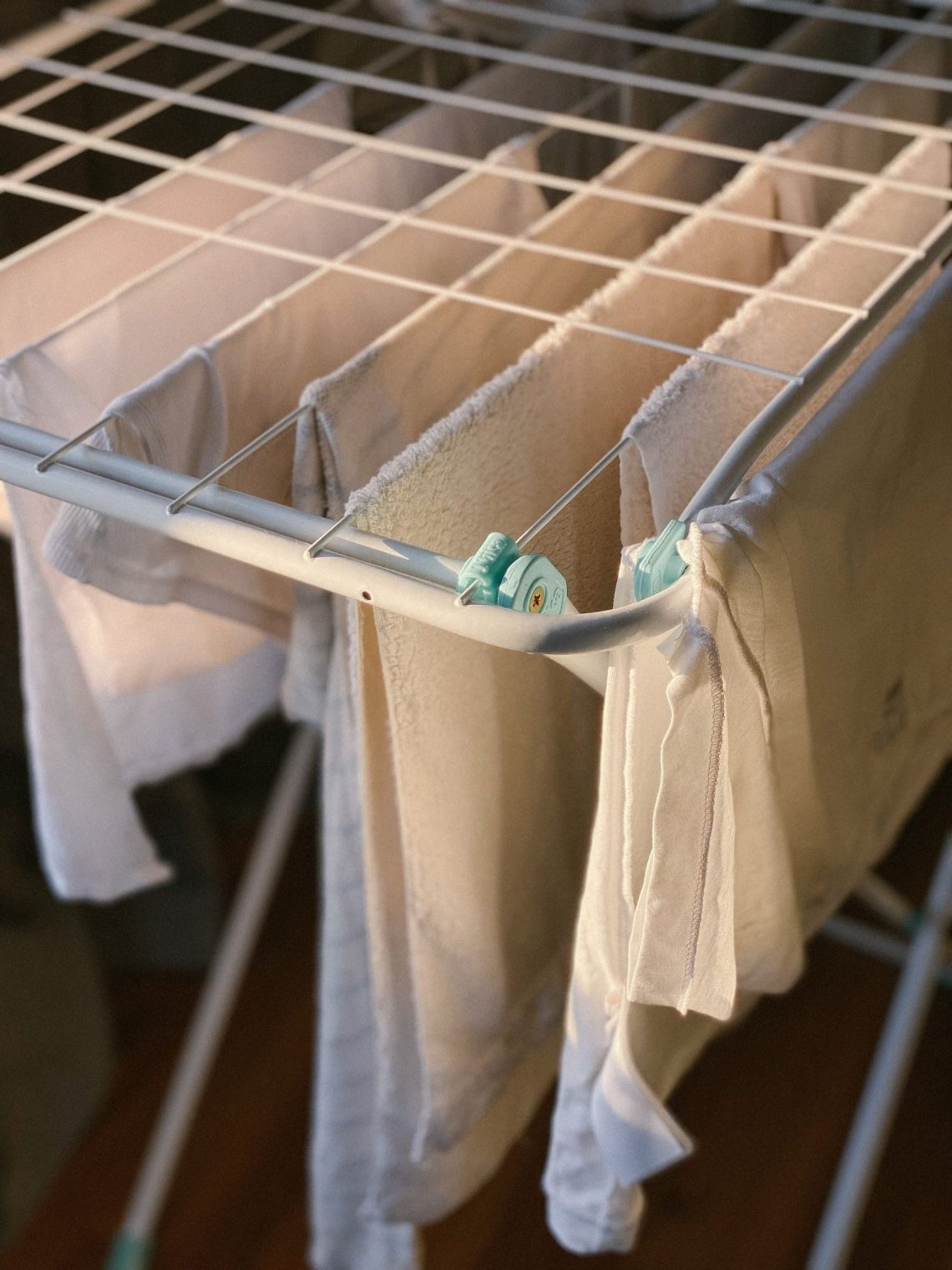
Give clean kit, drying kit, and used kit separate homes. A drawer, a ventilated drying rack, and a laundry basket are enough. Avoid putting damp garments into the clean drawer because they seem nearly dry; they may remain unpleasantly clammy when you next need them.
Keep footwear where air can circulate rather than immediately sealing it in a gym bag. If space is limited, a washable tray near a ventilated area can collect dirt without letting shoes spread through the hallway.
Assign one home to the small items
- A shallow dish for the running key and identification.
- A hook for a belt, pouch, or armband after it has dried.
- A charging place for devices away from damp kit.
- A separate pocket for an unused tissue or other clean essentials.
Read care labels before building a routine
Technical fabrics, supportive bras, waterproof layers, and reflective details do not all tolerate the same treatment. Follow the garment label for temperature, detergent, and drying. Close fasteners that could catch other items, empty pockets, and turn garments inside out when the manufacturer recommends it.
Avoid treating every item with the strongest wash setting. Fabric softener is unsuitable for some performance clothing, and high heat can damage some materials. The label, rather than a universal laundry rule, should decide what goes into each load.
Handle wet shoes without rushing the drying
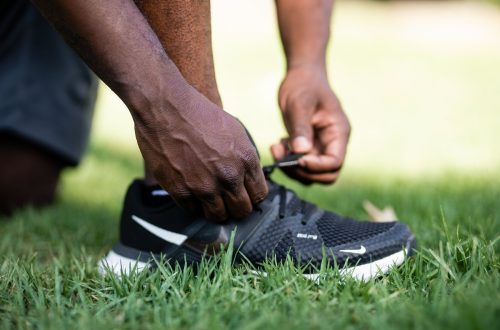
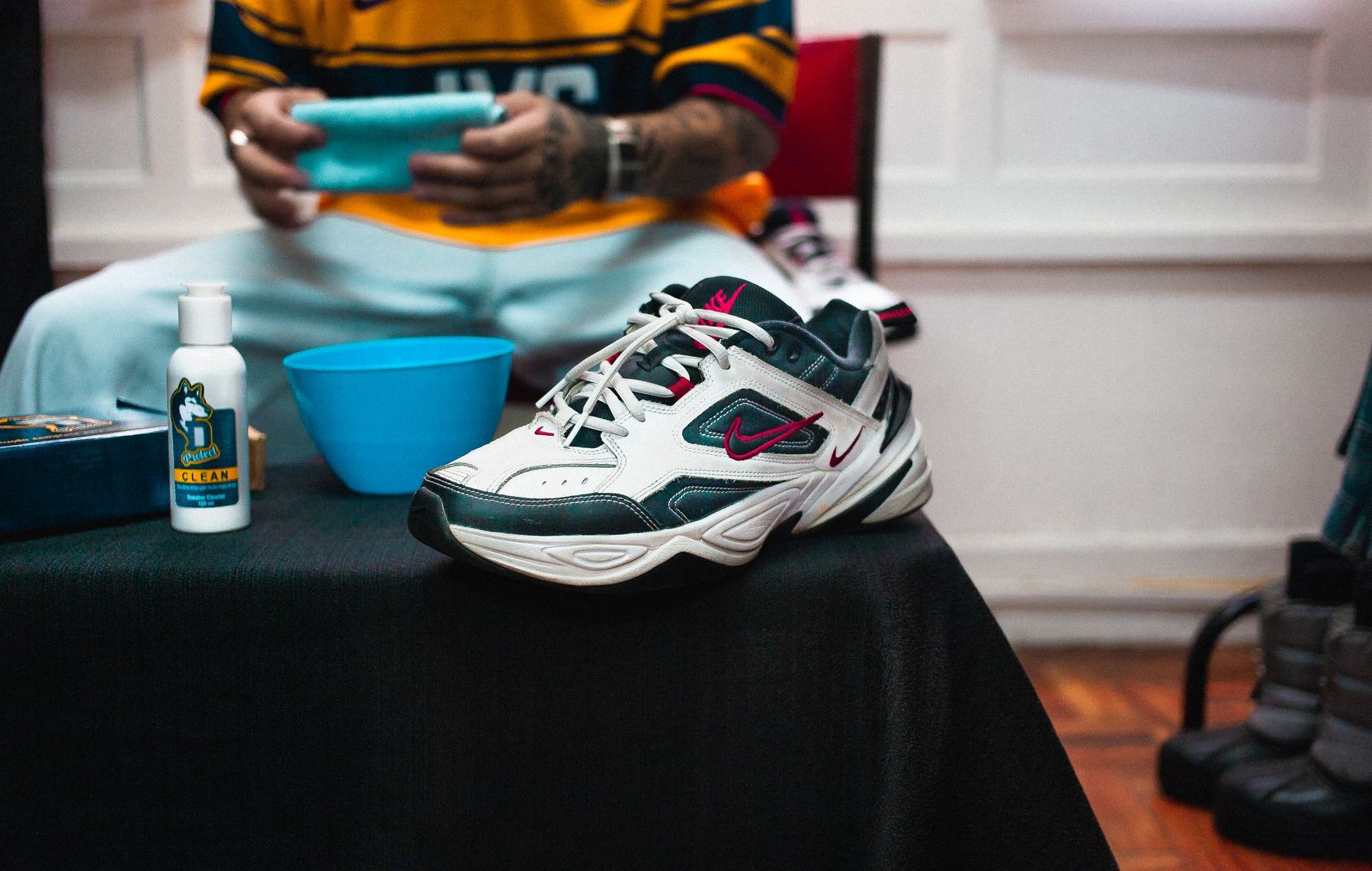
Remove loose surface dirt using the cleaning method recommended for the shoe. Open the laces and, where appropriate for the model, take out removable insoles so the interior can air. Keep shoes away from direct high heat unless their care instructions explicitly allow it.
Do not assume machine washing is suitable. Different uppers, foams, and adhesives have different care requirements. If a pair is still wet when your next outing arrives, choose another suitable option or adjust the activity instead of using a heater to force the issue.
Inspect while you clean
Look for a loosened seam, damaged lace, peeling outsole, or rough patch inside a shoe. Check clothing for a scratchy label or worn area that became noticeable during the run. Record the actual problem before replacing an item; sometimes cleaning, relacing, or a simple repair is the relevant next step.
Pack by movement, not by appearance
Before relying on a pocket, put the intended items inside and walk around. Try a brief, comfortable jog in a suitable space. Does the phone bounce? Can the key escape when you bend? Does the belt move when you breathe and swing your arms?
Carry only what fits securely and serves the outing. Keep a key separate from a phone screen, close zips fully, and avoid sharp or bulky objects that press into your body. A pocket that looks generous while standing may behave differently once you move.
Use a return-home reset
Spend a moment unpacking before the bag becomes storage. Put essentials back in their assigned place, separate washable items, and hang damp garments with enough space around them. Clean the pouch or belt according to its own instructions rather than leaving sweat inside it indefinitely.
- Empty every pocket before laundering.
- Check whether shoes and insoles need airing.
- Set aside damaged items for inspection.
- Recharge dry electronics when needed.
- Choose the next clean outfit only after everything is fully dry.
Replace repeated friction, not entire outfits
If the same storage or comfort issue returns, change that part of the system. A secure pocket may solve more than another top. An extra drying space may matter more than an extra device.
Keep a short note of what works: which socks stay comfortable, which pocket holds the key, and which garments take longer to dry. The result is a modest, dependable kit rotation that is ready for use, with less searching and fewer last-minute substitutions.