A reusable container earns its place through repeated use, not through matching the rest of the cupboard. If your family owns plenty but still reaches for disposable bags, follow the container’s whole journey: filling, carrying, emptying, washing, drying, and returning. The missing step usually explains the problem.
Do a cupboard review before buying anything. Set out containers with their lids and check which pairs close properly. Keep food use for items designed for it, and follow their instructions for hot food, freezing, dishwashing, and reheating. An attractive jar is not automatically suitable for every job.
Give each size a real assignment
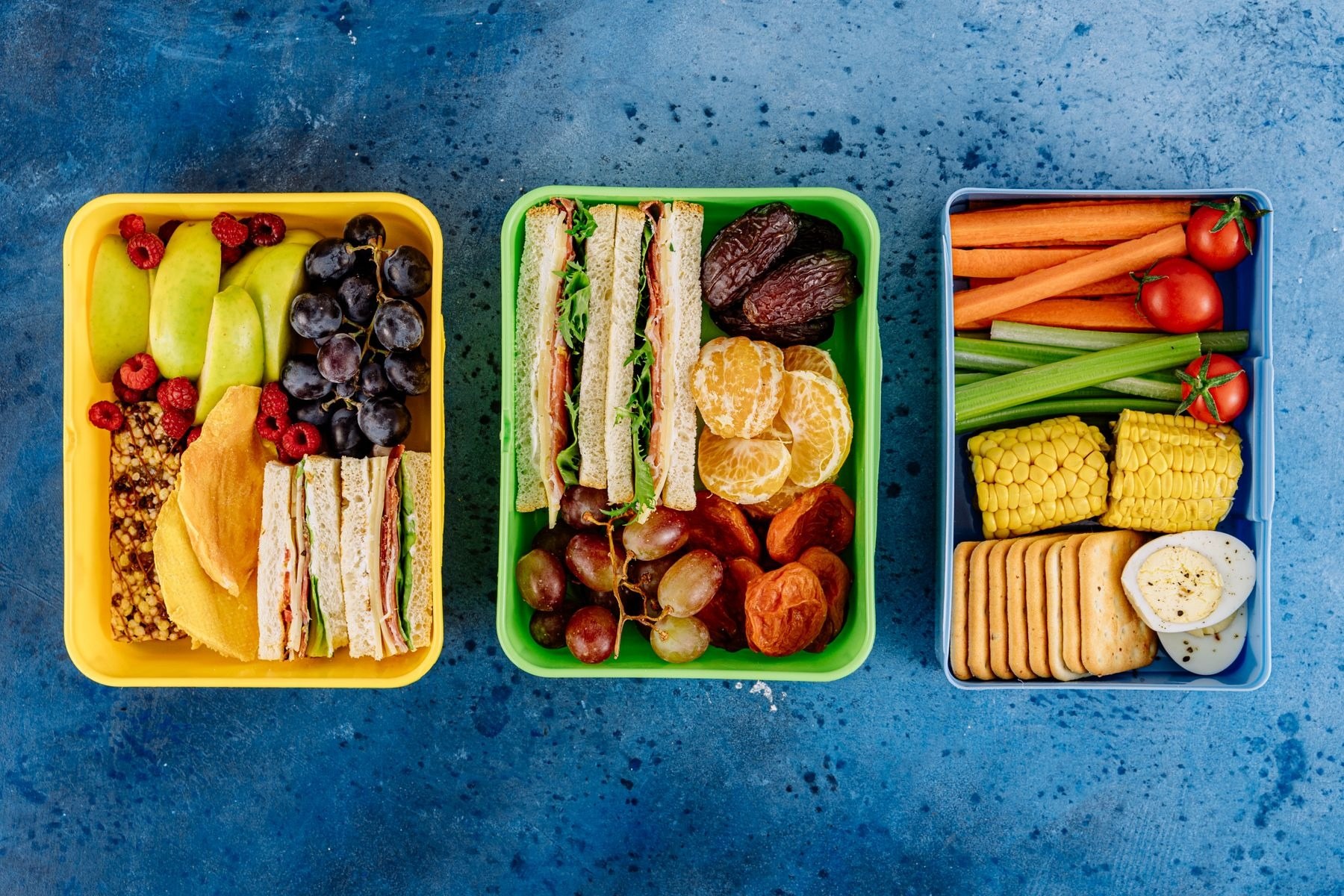
Choose a small working collection around meals you actually pack. A shallow lunch box, a small snack tub, and a suitable leak-resistant pot may cover more needs than a large mixed set. Test portions with familiar food rather than guessing from the container’s outside dimensions.
Ask the person who carries it to open and close it. A lid that an adult finds secure may be too difficult for a child at school. Check the filled container fits upright inside the lunch bag and leaves room for any cooling arrangements required by the food.
- Use small tubs for foods that would otherwise need an individual bag.
- Choose a dedicated suitable container for wet ingredients.
- Keep fragile glass for settings where it can be handled safely.
- Reserve large containers for actual batch storage rather than daily snacks.
Test lids before trusting the journey
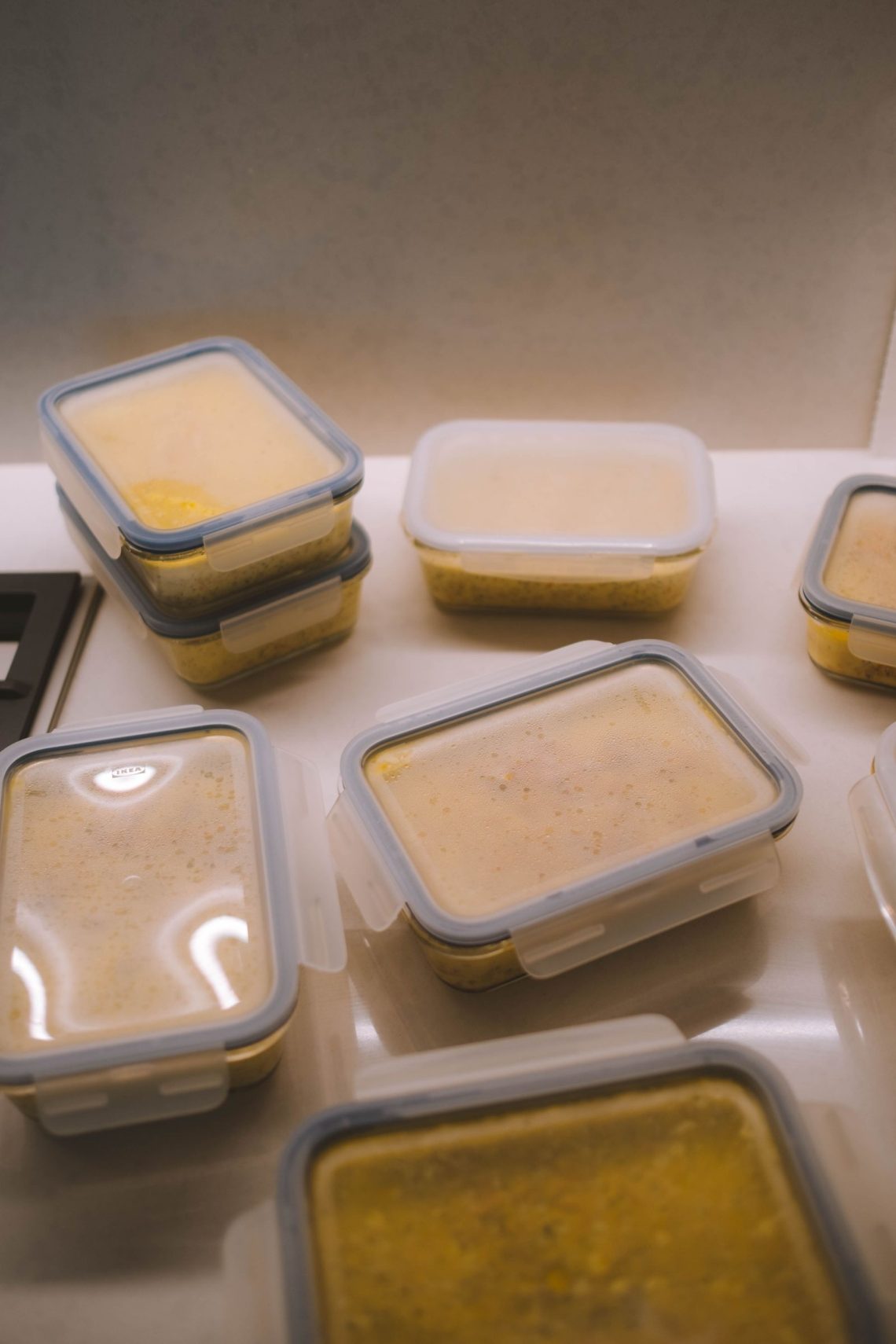
Inspect seals, hinges, and clips. Wash the parts as directed, assemble the lid carefully, and use water over the sink to check how it behaves when tilted. A quick check can reveal a trapped seal or cracked corner, but it does not turn a container into a guaranteed leakproof product.
Carry liquid foods only in containers intended for that purpose, preferably upright and protected inside the bag. Replace damaged seals where a compatible replacement exists. Retire cracked or badly damaged food containers instead of trying to make them sound with household glue.
Keep lids attached to the system
Choose one storage method and make it obvious. You might store dry containers with lids beside them in a divider, or keep complete pairs together if space allows. Do not seal containers while damp. A stack that requires dismantling every morning is a reason to keep fewer pieces in daily circulation.
Create a return point after lunch
Choose a place where lunch bags are unpacked as soon as they come home. Put it near the washing area, not beside the front door where yesterday’s food can stay hidden. Children can bring the bag and remove suitable items; an adult can help with difficult lids and check for forgotten food.
Keep cleaning equipment accessible enough that washing a small pot is not a separate project. Follow the container’s care instructions and clean all removable parts that need attention. Food residue can hide under seals, around clips, and in lid grooves even when the main bowl looks clean.
Allow drying space for awkward parts
Containers and lids often finish washing at different times. Give both a clear draining position and leave enough room for air to reach recesses. Reassemble only when everything is dry. If a seal must be removed for cleaning, put it somewhere it cannot slip down the drain or be mistaken for rubbish.
A small tray can hold dry items ready for the following morning. Keep that tray distinct from the washing queue so nobody packs food into a container that was merely rinsed and set aside.
| Failure | Useful change |
|---|---|
| Containers left at school | Add a name and a bag-unpacking reminder |
| Loose lids fill the drawer | Reduce the working set to complete usable pairs |
| Wet lunch bags | Check closure and choose a container suited to liquids |
| Morning washing rush | Move unpacking to arrival home |
Replace a missing function, not a whole set
After a week, note the exact gap. You may need one replacement lid, a smaller snack pot, or a brush that reaches a groove. Buy only for the task your existing collection cannot handle. Give surplus usable pieces a confirmed new home rather than creating a second overflowing cupboard.
Keep checking the return routine as school schedules and meal preferences change. The practical measure is how often the same sound containers complete another trip, with clean dry parts ready when the next lunch is packed.