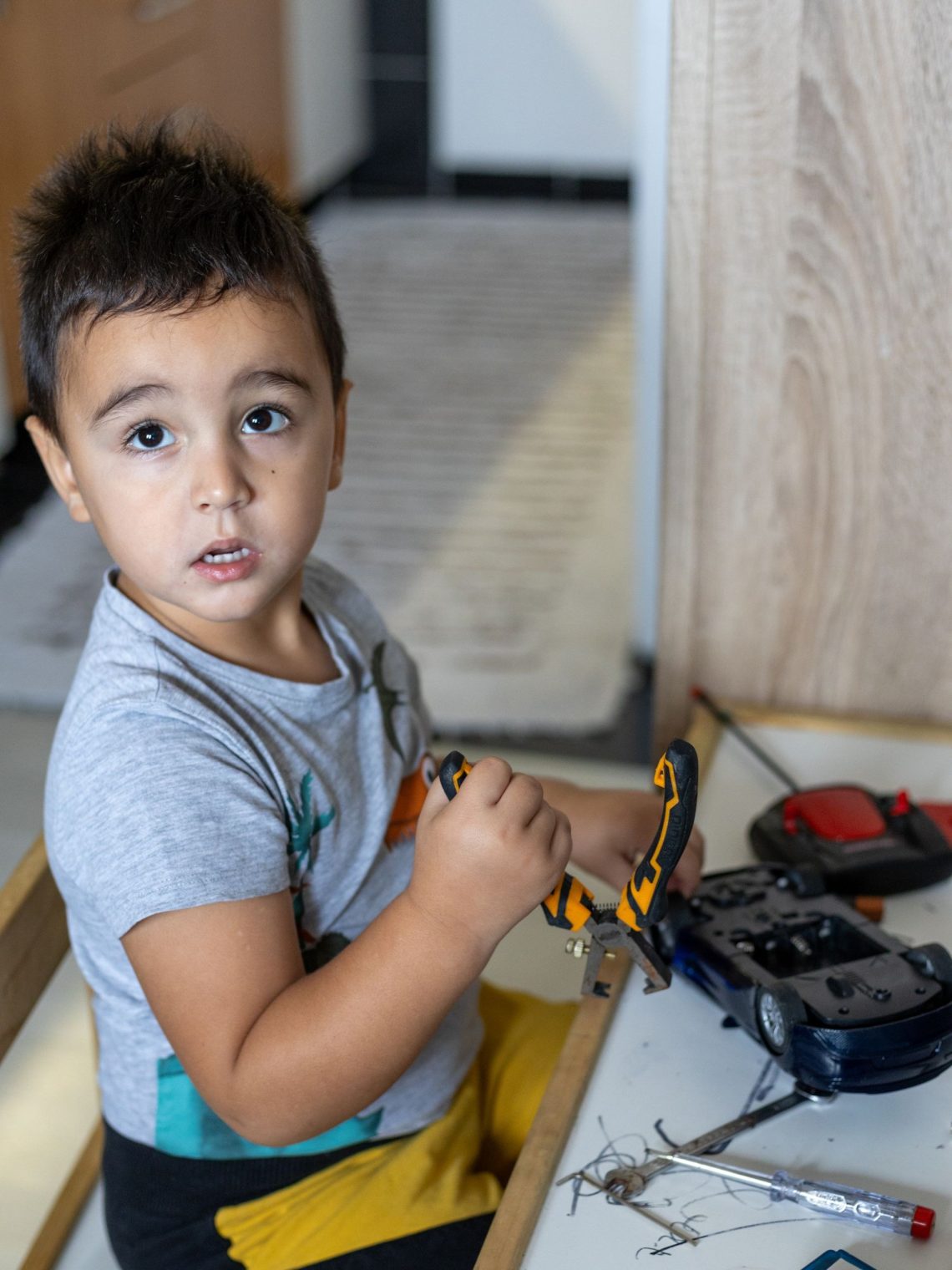
A box of broken toys can become a second toy collection that nobody plays with. Sorting it by the next action makes repair more realistic. Some toys need a missing piece located, some need a simple permitted repair, and others should leave play because their damage cannot be made safe.
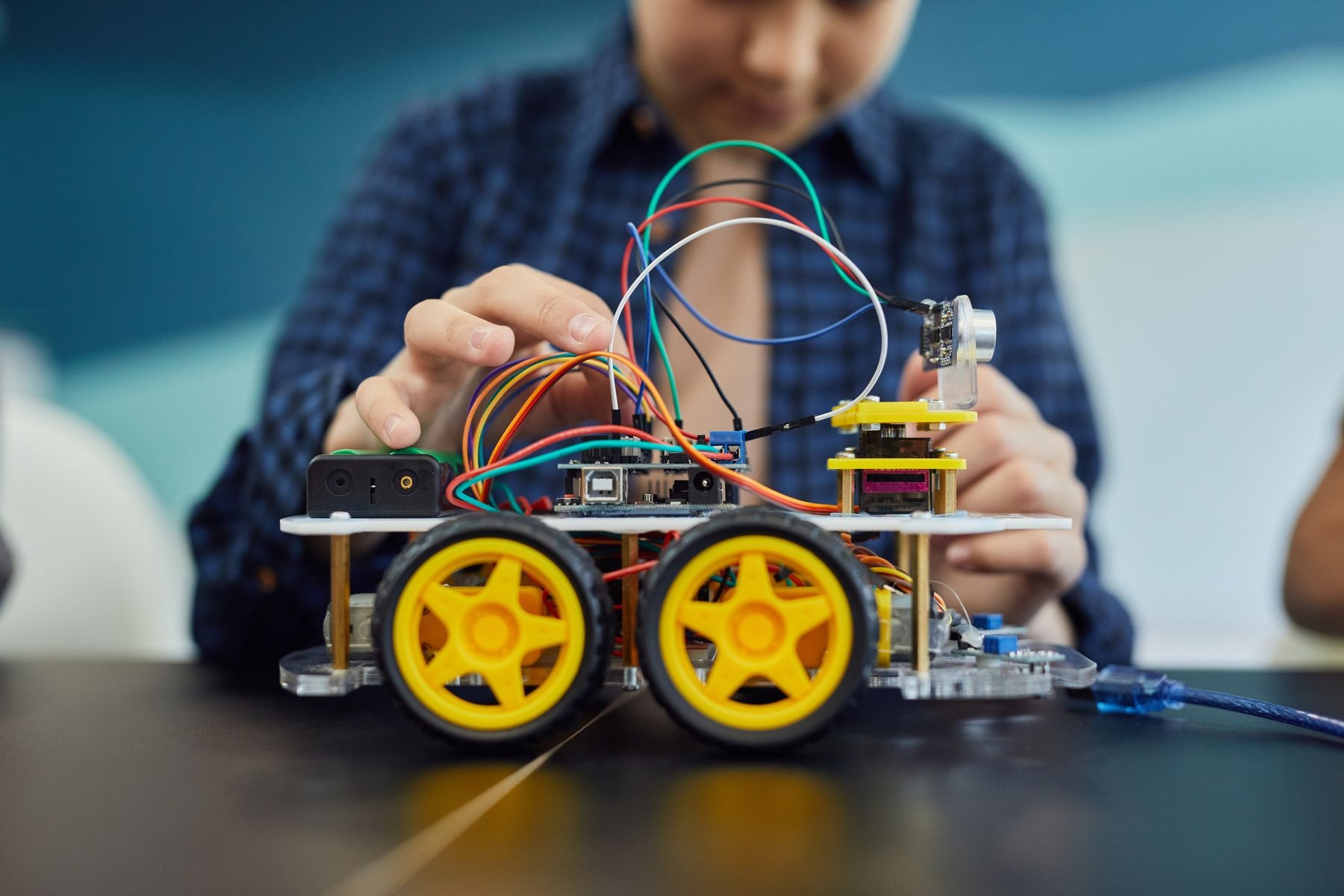
Keep the review focused on one small box. Bring an empty tray for parts, a cloth for appropriate cleaning, and a way to note model names. Adults should examine damaged toys first, especially anything with batteries, magnets, sharp edges, or small loose pieces.
Check safety before sentimental value
Remove any toy with exposed wiring, a damaged battery compartment, loose magnets, cracked structural parts, or sharp fragments from children’s reach. Do not put it in a repair basket that children can open. Check the manufacturer’s guidance and any relevant recall information before deciding whether it can return to play.
Do not improvise repairs to ride-on toys, load-bearing components, protective equipment, or safety restraints. A repair that looks neat may still fail under force. When damage affects the way a toy supports or protects a child, use the manufacturer’s approved route or retire it.
- Keep batteries and small components securely away from children.
- Do not glue a broken battery cover in place as a substitute for its closure.
- Set aside toys with uncertain damage until an adult can investigate.
- Never pass a damaged unsafe toy to another family.
Separate missing parts from broken parts
A puzzle missing one piece does not have the same problem as a cracked plastic truck. Search the likely locations for missing pieces before buying replacements: under furniture, inside storage bags, and in other toy boxes. Ask children where the toy was last complete without turning the search into an accusation.
For identifiable sets, note the maker, model, and missing part. Check whether a genuine compatible replacement exists and whether it restores the toy’s intended function. Do not order an almost-matching small component simply because a photograph looks similar.
Use a small parts tray temporarily
Put related pieces together in a labeled secure container inaccessible to younger children. Include the toy name and next action. Avoid a mixed jar of wheels, screws, beads, and unidentified plastic parts; it makes matching harder and creates unnecessary hazards.
Choose repairs with a clear method
A small opening in a washable soft toy’s seam may be repairable if the fabric is sound and there are no loose components or other safety concerns. Follow its care information, use suitable stitching, and inspect the whole toy before returning it. Keep needles accounted for and out of the play area.
A wooden puzzle tray with a dirty surface may simply need cleaning according to its instructions. By contrast, splintered pieces, detachable broken parts, and damaged coatings require more careful judgment. Avoid treating household glue or paint as a universal solution, particularly on toys that may be mouthed.
Give each saved toy a deadline
Write one specific action: find the blue wheel, contact the maker about the lid, or sew the accessible seam. Add a day when an adult will do it. Keep only as many projects as you can realistically handle, rather than promising to restore every object eventually.
If the method remains uncertain or the replacement cannot be obtained, decide on retirement. A toy can have been well loved without remaining repairable. Children often find a clear explanation easier than repeatedly being told a favorite will be fixed someday.
Check the result before returning it
After an appropriate repair, inspect the repaired area and surrounding material. Look for loose thread, exposed stuffing, rough edges, poorly attached pieces, or changes that affect how the toy is used. Follow any manufacturer checks and supervise the initial return to play.
Do not describe the toy as safe solely because it survived a quick pull. If you cannot establish that the repair is suitable, keep it out of use. A repaired item also needs occasional inspection, especially where the surrounding material was already worn.
Make retirement a finished task
Separate electronic components and batteries only as directed, then use the appropriate collection routes. Check whether a toy recycling program actually accepts the material before preparing it. Do not place mixed-material toys in ordinary packaging recycling by assumption.
Return complete usable toys to a storage space where their pieces can stay together. Photograph a finished set if that helps children tidy it. The result should be fewer stalled projects, better care of the toys still used, and no unsafe objects waiting indefinitely within reach.