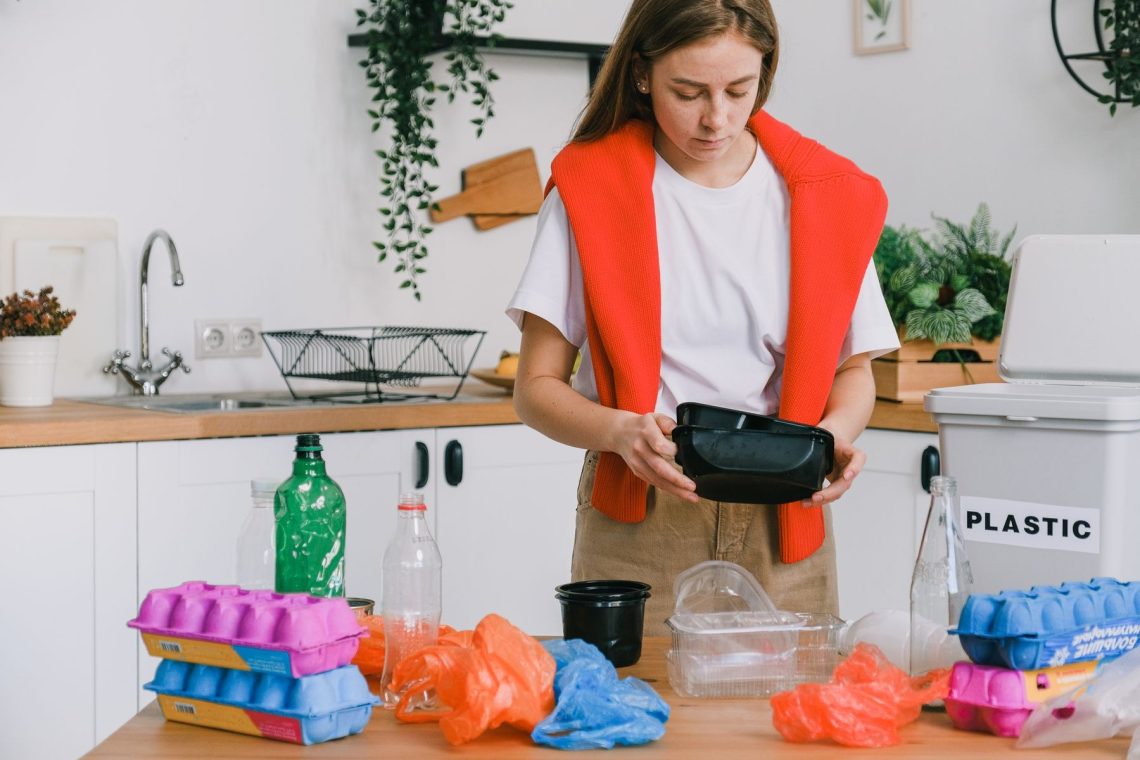
A row of matching bins will not fix confusing waste rules. A useful sorting station answers three questions at the moment someone discards something: where does it belong, how should it be prepared, and who takes it outside? Build around the waste your household produces and the collections available at your address.
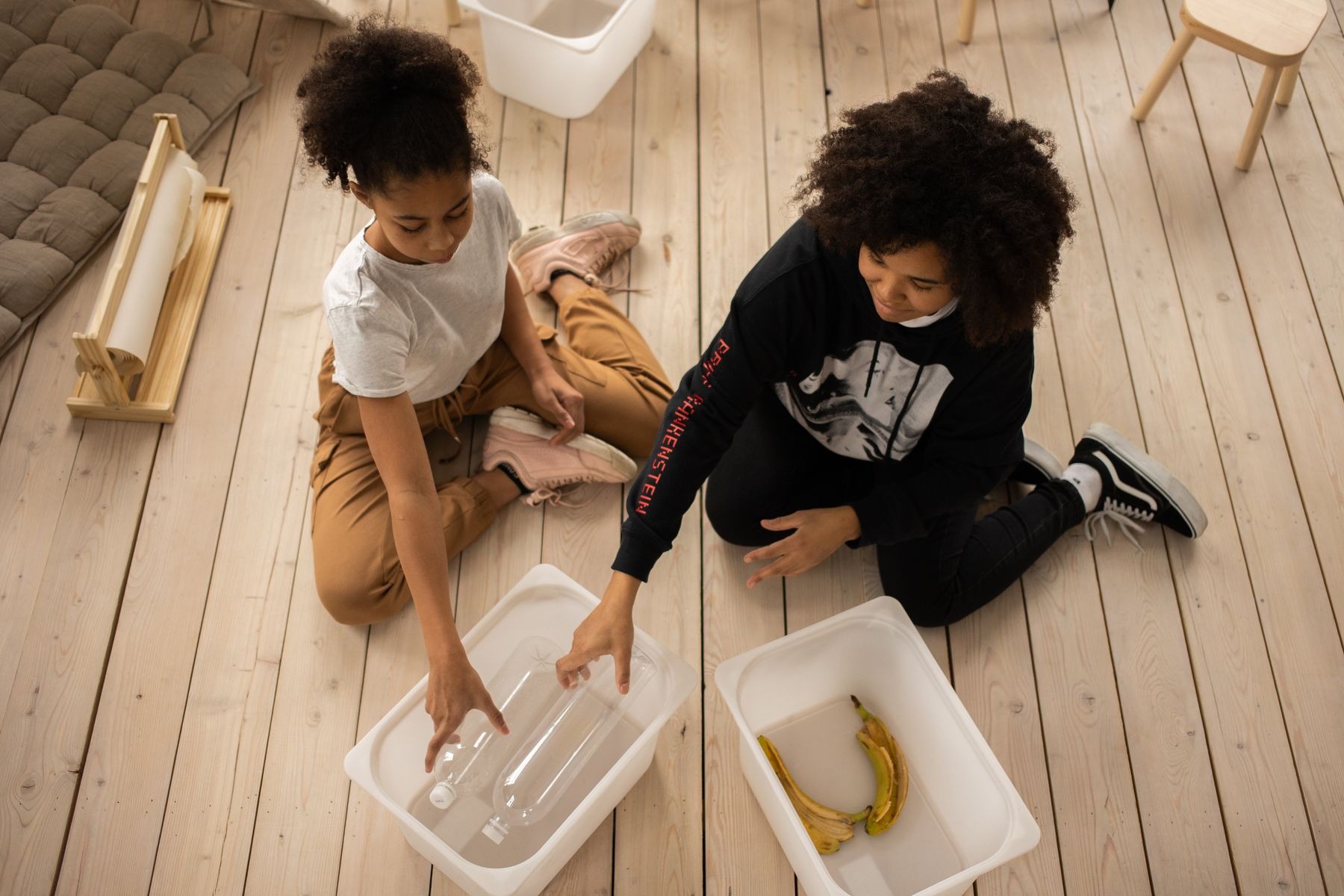
Start with containers you already own. Live with the arrangement before buying permanent fittings. The station needs to work while someone is holding a sticky carton, not just look tidy when every container is empty.
Translate collection instructions into household language
Read the accepted-material information from your own collection service. Check details such as lids, food residue, flattened boxes, and materials collected separately. A recycling symbol alone does not establish that your service accepts an object.
Write labels around familiar examples instead of technical material names. If cartons are accepted, show a carton your family actually buys. If flexible wrappers are excluded, place that example on the general-waste label. Use a drawing or a clean photograph for children and anyone who finds written labels difficult.
- Show three accepted examples on each label.
- Add one commonly confused object with a clear instruction.
- State any preparation step in a short phrase.
- Keep the collection information nearby for adult reference.
Place the station where packaging is opened
For many homes, the kitchen is the main sorting point. Put general waste beside recycling so neither route requires a separate journey. If the bins live inside a cupboard, check that the door opens fully and that each container can be lifted without tilting it over another.
Keep the floor route clear. A station that blocks a doorway or requires stepping around bags will be moved or ignored. In a small kitchen, two compact containers emptied regularly can work better than a large installation that makes cooking awkward.
Give children a reachable job
Place suitable everyday openings within reach, but do not make children responsible for sharp tins, broken glass, or unknown waste. They can flatten safe cardboard sleeves or sort clean paper with supervision. Adults should handle hazardous items and any object that needs checking.
Keep special collections separate
Batteries, electronics, bulbs, and other special items should never disappear into a mixed ‘recycling later’ basket. Give each accepted special route a clearly identified, secure holding place following the relevant handling instructions. Keep batteries and small components inaccessible to children.
Do not start collecting materials unless you know an actual destination. A bag of uncertain plastics can sit for months and turn into another household storage problem. Record the location and opening arrangements of a confirmed drop-off point before giving that material its own space.
Provide an adult question point
For a clean, nonhazardous item that nobody recognizes, designate a small question tray away from food preparation. Limit it to a few objects and assign an adult to clear it before collection day. Do not use this tray for food scraps, leaking packaging, glass fragments, or chemicals.
Once an answer is found, add the object to the relevant label if it is likely to recur. If the item is not accepted for recycling, use the appropriate disposal route. The station should become clearer through actual household questions, rather than accumulating increasingly detailed instructions nobody reads.
Test the route from sink to outside bin
Walk through the whole process with one typical package. Empty it, prepare it as your service requests, put it in the indoor container, and carry that container to the outdoor bin. Notice any dripping, awkward handles, hidden lids, or oversized pieces that prevent the next person using it.
Agree on an emptying trigger such as ‘when contents reach the handle line.’ A visible limit works better than waiting for rubbish to spill over. Assign a backup person for collection evenings, and include wiping the empty indoor container when necessary.
Fix the repeated mistake, not the person
If the same wrapper keeps landing in recycling, move its example to a more visible position. If paper becomes wet, separate it from containers that drip. If nobody empties the station, reduce the carrying weight or change the trigger.
Review the labels whenever your collection instructions change or household purchases introduce unfamiliar packaging. Keep only information people need at the bin. A successful station makes ordinary decisions predictable and leaves unusual decisions with someone who can check them carefully.