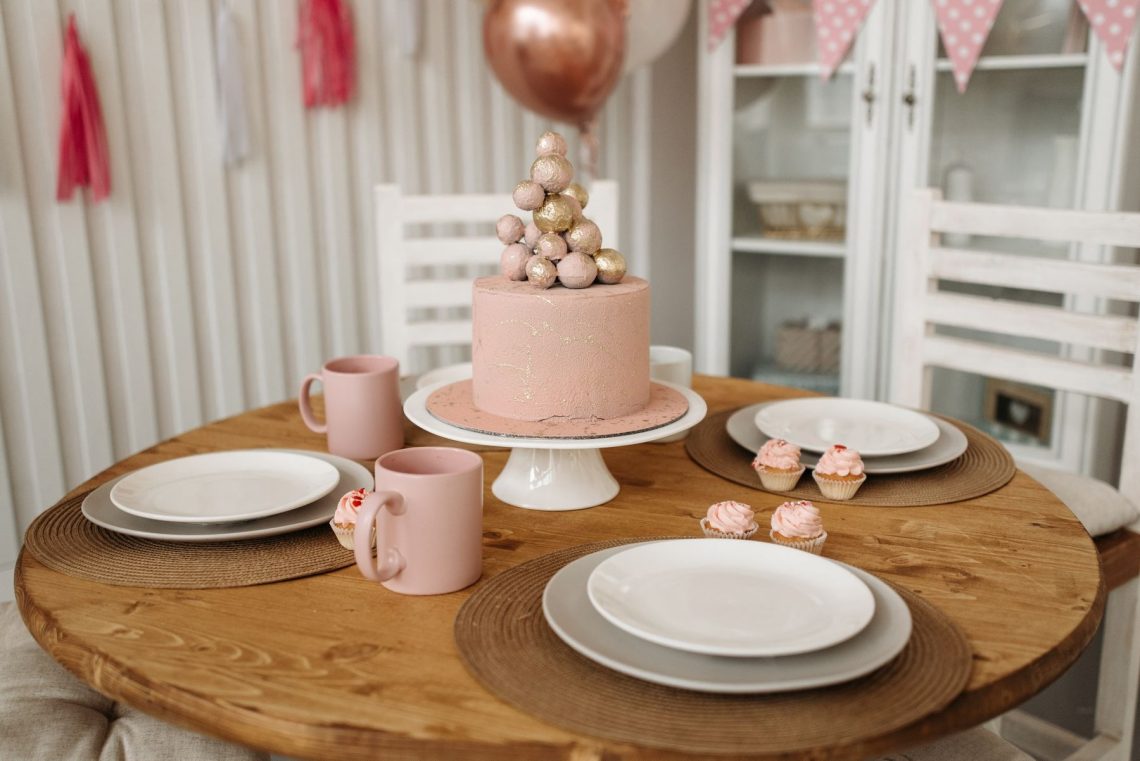
A reusable party kit is a practical way to avoid buying a new stack of disposable tableware for every family birthday. It does not need a theme or a special storage chest. Begin with a realistic guest count, dishes you already own, and a plan for getting everything home to be washed.

Keep the scope narrow: plates, cups, serving pieces, and table textiles. Decorations, gifts, and games can be separate decisions. The kit is successful when it reliably handles food and drink service, not when every part of the celebration follows a perfect waste rule.
Count place settings before collecting supplies
List expected guests and the food being served. A cake gathering needs different pieces from a sit-down meal. Count children and adults separately if they need different plate sizes or cup styles, then check what your household can supply without emptying every everyday cupboard.
Choose durable, food-suitable items appropriate for the setting. Breakable dishes may be unsuitable for a busy children’s event or a venue with specific rules. If you need extra pieces, borrow a manageable number or add compatible secondhand items in good condition rather than chasing a matching design.
- Count usable plates and cups, not complete decorative sets.
- Include serving utensils and a suitable cake knife for adult use.
- Add a few spare place settings for an unexpected need.
- Check whether the venue supplies anything before packing duplicates.
Choose shapes that stack and wash easily
A compact kit is easier to carry and store. Avoid mixing too many sizes that do not stack, or cup designs with difficult-to-clean recesses. Inspect secondhand pieces for damage and confirm that they are intended for food use. Decorative plates are not automatically suitable for serving food.
Use existing cloth napkins or suitable washable table coverings if you have them. Different colors can look deliberate when the arrangement is consistent. Do not buy a large textile collection if your laundry arrangements cannot handle it after the event.
Make cups identifiable without extra clutter
For suitable cup surfaces, use a removable marking method that is compatible with the material and stays away from drinking rims. Alternatively, provide a simple place for each guest’s cup. Avoid small detachable markers at gatherings with young children who might put them in their mouths.
Pack for the dirty return as well as arrival
Choose sturdy washable carrying containers that can support the filled load. Test the weight before the event; several small boxes may be easier than one heavy tub. Put an inventory card inside and keep fragile items separated where needed.
Pack separate bags or containers for used textiles and dirty dishes. Do not return wet napkins to a clean storage box or balance sticky plates on top of spare cups. Bring a scraper or suitable utensil for moving food scraps to the venue’s correct waste route before packing.
Set up a clear collection point
At the event, create one visible place for used dishes, separate from food service and accessible without crossing a busy play area. Use a stable table or suitable container. Ask an adult to supervise sorting where sharp utensils or breakable items are involved.
Explain the return arrangement briefly to helpers. Guests do not need a speech about sustainability; they need to know where to place a used plate. If the venue has different waste sorting arrangements from home, follow those rather than assuming your normal categories apply.
Share the cleanup jobs in advance
Agree who clears scraps, who packs, who transports, and who washes. One person should not discover after the celebration that choosing reusable dishes also assigned them every cleanup task. Include the return of borrowed pieces as a named job with an agreed day.
Clean dishes according to their care instructions and wash textiles appropriately. Dry everything fully before storage, checking lids, cup bases, and folded fabric. A kit packed damp after one party can create more work before the next one.
Restock only after counting
Compare the clean kit with the inventory card. Note missing or damaged pieces and return borrowed items separately. If a particular serving bowl was never used, remove it from the standard list. If cups ran short, consider whether misplaced cups were the real issue before adding more.
Store the compact kit in a reachable place with its current count. Keep the next event simple by using the same core pieces and changing only small details already available at home. The useful tradition is a box that arrives complete and comes back ready to serve another gathering.