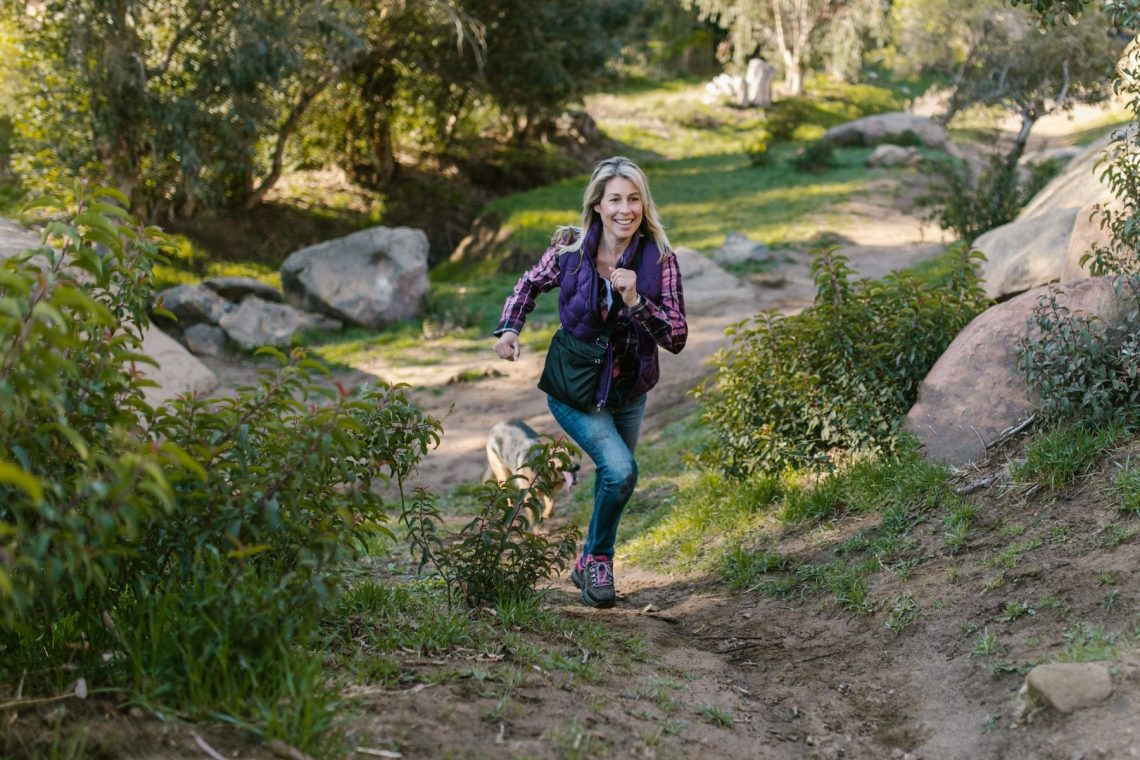
A route can feel entirely different once it turns uphill. The pace display slows, breathing grows louder, and the temptation is to work harder until the number looks familiar again. On an easy outing, that response can turn an ordinary street into an unintended hard session.
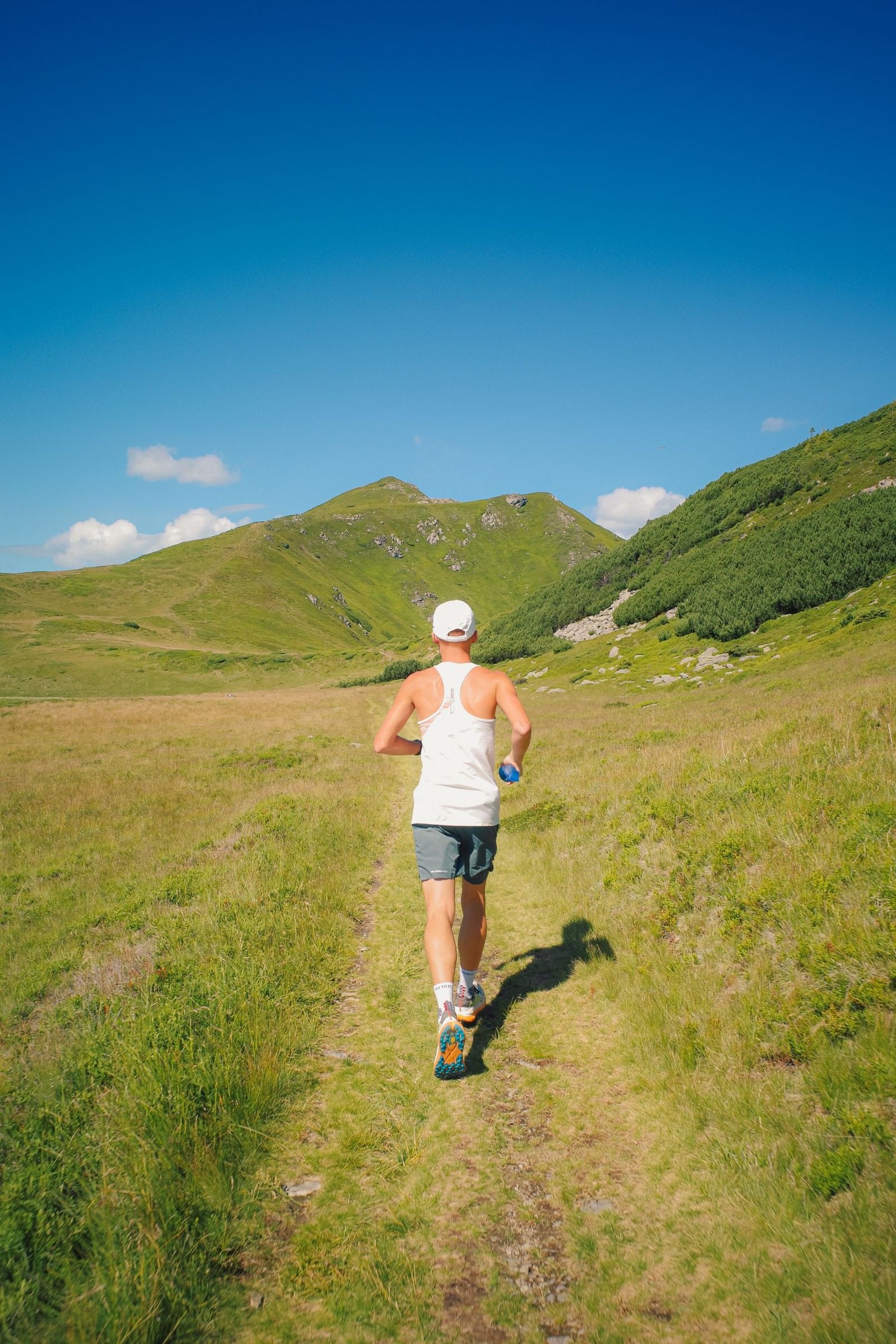
Hills do not need to be a separate workout when you are learning to run. Start by learning how to travel over them with control, including choosing to walk and deciding when another route makes more sense.
Read the hill before committing
Look for length, steepness, surface, and what happens at the top. A short rise to a clear pavement is different from a blind bend with loose gravel. Notice whether you can turn back safely and whether the descent offers enough room to move at your own pace.
Walk an unfamiliar hill first if useful. That gives you a chance to inspect footing and crossings without simultaneously managing a rising effort. There is no requirement to run every part of a route simply because it appears on the map.
Choose the role of the hill
- Part of an easy route: reduce speed and allow walking.
- A navigation obstacle: take a flatter alternative if it simplifies the outing.
- An unfamiliar descent: inspect it before trying to run down.
- A deliberate hard workout: leave that for an appropriate plan rather than adding it impulsively.
Adjust early on the ascent
Ease the pace when the ground starts rising, not only after breathing becomes difficult. Let your steps become a little shorter if that feels natural and avoid reaching forward in an attempt to maintain flat-ground speed. Keep your attention on a clear stretch ahead.
You do not need to impose an exact step rate or elbow angle. Choose a comfortable rhythm you can control. If conversation becomes difficult during an intended easy run, walking is a direct way to lower the demand.
Use a planned walking point
Decide before the climb where you might switch to walking. It could be a particular bend or simply the point at which the easy effort stops feeling easy. This makes the decision practical instead of emotional.
For example, on a neighborhood route with a long slope toward the park, walk the steeper middle section and reassess once the path levels. You have still completed the route. Running farther uphill is not automatically a better result if it makes the rest of the outing unnecessarily demanding.
Allow the crest to be a transition
Reaching the top does not require an immediate acceleration. Continue walking or run gently until breathing feels settled. A hill followed by another hill may call for an even more conservative approach, because a brief flat section does not erase the work already done.
Give the descent its own attention
Downhill running can gather speed before you intend it. Keep the pace manageable and avoid racing to recover seconds lost on the climb. Look ahead for wet leaves, uneven paving, loose stones, people, and turns.
If you feel pulled into a pace you cannot control comfortably, slow to a walk. Choose flatter routes when the descent is too steep or slippery for your current confidence. Descending quickly is a skill and a demand of its own, not a free recovery section.
Compare effort rather than kilometre splits
A hilly route may take longer than a flat route of the same distance. Record that context instead of judging the outing only by average pace. Note whether you walked the climb, how the descent felt, and whether the route remained enjoyable.
If you want a repeatable easy outing, choose a route with predictable slopes rather than continually adding climbs to make it more impressive. A modest hill can already change the session enough without extra repeats.
Make one sensible adjustment afterward
- Move the turnaround before an awkward descent.
- Use a gentler parallel street.
- Begin the climb more slowly next time.
- Keep the hill but shorten the overall outing.
Do not turn every hill into a test
Let a successful hill outing mean that you stayed attentive, adjusted effort, and returned with the session still under control. Leave racing other runners or attacking a climb for another purpose and an appropriate training context.
Familiarity will help you make better decisions, but it does not create an obligation to run every incline. A route is a tool. Walking, slowing, or choosing another route are all ways to use that tool well.